
Diplotaxis tenuisiliqua
Diplotaxis tenuisiliqua
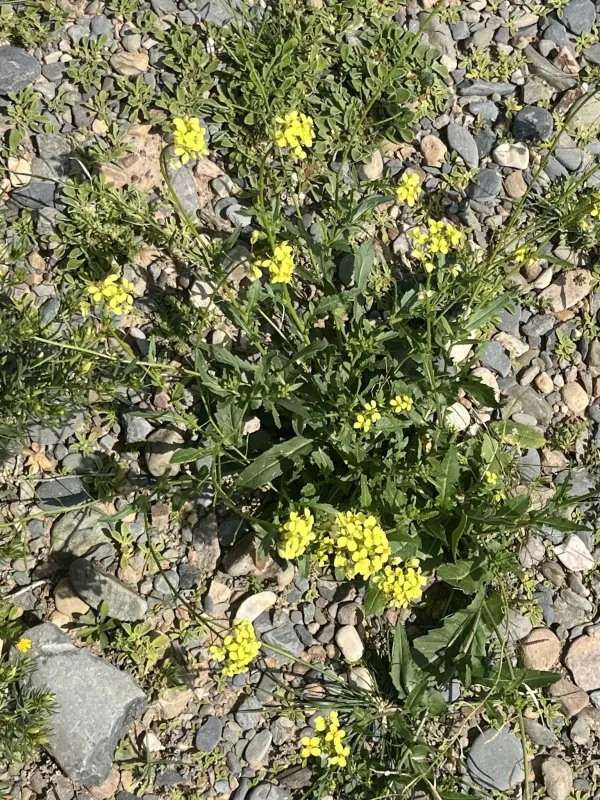
Description
Sowing dates
Diplotaxis tenuisiliqua, a member of the Brassicaceae family, is cultivated primarily for its edible leaves. Sowing should commence in early spring once the soil temperature consistently exceeds 5 degrees Celsius.
Due to the small size of the seeds, they should be surface-sown or covered with no more than 0.5 cm of fine, well-draining soil to ensure optimal germination rates and seedling vigor.
For consistent production, seeds are sown in succession every two to three weeks, ensuring a continuous supply of fresh greens throughout the entire growing season.
Row spacing should be maintained at 15–20 cm to provide adequate space for individual plants to develop healthy, broad leaf rosettes, which enhances overall market quality.
Transplanting can be used as an alternative method; seedlings are raised in trays for 3-4 weeks before being moved to the field to bypass the vulnerable early growth stage.
Growing requirements
This crop thrives in full sun, which is essential for developing its characteristic peppery flavor and maintaining the compact growth habit of the leaf rosettes.
Well-draining, neutral to slightly alkaline soils are preferred. Heavy clay soils should be avoided or amended with organic matter to prevent waterlogging and subsequent root issues.
The plant demonstrates good tolerance to moderate moisture stress, yet consistent irrigation is required during dry spells to prevent premature bolting and to keep the leaves tender.
The ideal temperature range for Diplotaxis tenuisiliqua is 15–22 degrees Celsius; prolonged exposure to heat often accelerates the transition to the flowering stage.
Maintaining proper soil fertility, specifically ensuring adequate nitrogen levels, is crucial for promoting the rapid vegetative growth required for multiple leaf harvests.
Yield
The yield of this crop is highly dependent on environmental conditions and management practices, with average harvests reaching 1.5 to 2.5 kg per square meter per season.
Frequent, light fertilization after each cutting cycle encourages vigorous re-growth and helps maintain the desired flavor profile of the leaves throughout the season.
Yield stability is improved by removing emerging flower stalks early, as this redirects the plant's energy toward leaf production rather than reproductive development.
Advanced agricultural practices, such as the use of high-quality organic fertilizers, can significantly improve the nutrient content and taste of the harvested greens.
The productive life of the crop can be extended if moisture levels are managed carefully and if the plants are protected from extreme thermal stress during summer months.
Main diseases and pests
The most common pest is the flea beetle (Alticini), which poses a significant threat to young seedlings by creating small holes in the cotyledons and leaves.
Fungal diseases like downy mildew and root rot can occur if soil moisture is excessive or if there is poor airflow within the crop canopy, necessitating good field hygiene.
Crop rotation is a fundamental practice to prevent soil-borne pathogens, particularly those affecting Brassicaceae, from accumulating and impacting future yield cycles.
Floating row covers serve as a highly effective physical barrier against insect pests while also slightly improving the microclimate for faster early development.
Weed management is vital to reduce competition for nutrients and water, as well as to eliminate alternative hosts for pests and viruses that commonly affect this family.
Harvesting
Harvesting begins when the leaf rosettes reach 10-15 cm in height, typically 30 to 45 days after emergence, using a sharp blade to cut leaves 2-3 cm above the soil surface.
It is recommended to conduct harvests during the early morning hours to maximize leaf turgidity and ensure the product remains fresh for a longer duration after post-harvest.
Post-harvest cooling to 2–4 degrees Celsius is essential for preserving the quality, texture, and nutritional value of the leaves, especially when destined for local markets.
For seed collection, the plants are allowed to mature until the pods turn yellow, then harvested, dried, and threshed to recover the seeds for future sowing seasons.
Proper handling during transport is necessary to prevent bruising the delicate leaves, which can lead to rapid oxidation and degradation of the product's aroma.