
Diplotaxis harra
Diplotaxis harra
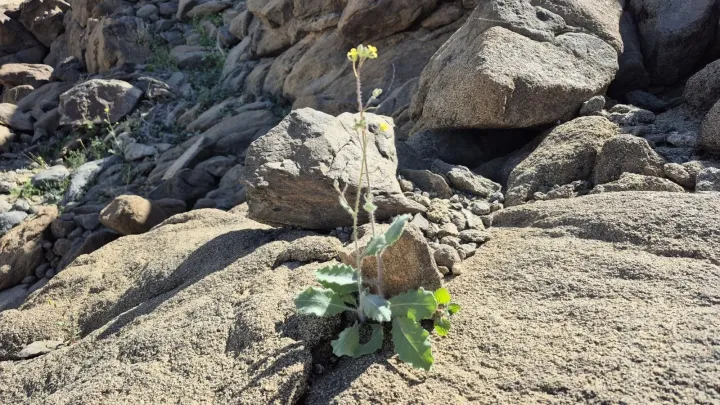
Description
Sowing dates
Diplotaxis harra is typically sown during periods with mild temperatures that facilitate rapid seed germination. In its native habitats, germination is triggered by seasonal moisture, allowing the plant to establish its root system before the peak heat of the season.
For cultivation, seeds are surface-sown or covered with a very thin layer of substrate, as they require sufficient light for optimal germination. Precision seeding equipment is recommended to ensure uniform distribution at a depth not exceeding one centimeter.
Soil preparation is essential for successful establishment. A fine-textured, well-draining seedbed provides the necessary contact for the tiny seeds to absorb moisture and develop the primary radical effectively in the initial days after sowing.
Row spacing should be managed to accommodate the plant's rosetting habit. Maintaining gaps of 30 to 45 centimeters allows for adequate airflow and prevents competition for sunlight and nutrients, which are critical for foliage quality.
Timing the sowing process is crucial to avoid extreme frost or intense mid-summer heat during the seedling stage. Planting in early spring or late autumn allows the crop to utilize cooler, more favorable conditions for vegetative growth.
Growing requirements
This species is highly adapted to arid and semi-arid environments. It is characterized as a xerophyte and halophyte, possessing high resilience against drought conditions and demonstrating the ability to grow in soils with moderate salinity.
Diplotaxis harra thrives in well-drained, sandy, or loamy soil types. Excessive moisture in the root zone is detrimental, as it increases the risk of root pathogens; therefore, ensuring adequate drainage is the primary requirement for successful field cultivation.
Full sun exposure is vital for the development of essential oils and aromatic compounds. Any shading will likely result in elongated, less flavorful foliage and may cause the plant to enter the flowering stage prematurely, reducing the yield of vegetative biomass.
While the plant is drought-tolerant, supplemental irrigation is beneficial for commercial production. Consistent soil moisture levels help maintain foliage quality and extend the harvest window, preventing the plant from stress-induced bolting.
The plant demonstrates a remarkable tolerance for heat, yet its physiological optimum for growth ranges between 18 and 25 degrees Celsius. In these temperatures, the plant allocates more resources to leaf production rather than reproductive development.
Main diseases and pests
As a member of the Brassicaceae family, Diplotaxis harra is susceptible to common cruciferous pests. Flea beetles are the most prominent threat, often causing significant damage to seedling leaves by creating small, shot-like holes.
Fungal diseases, such as powdery mildew or various root rots, can become problematic in humid conditions or areas with poor air circulation. Implementing wide spacing and avoiding overhead irrigation can significantly mitigate these risks.
Aphids can infest the undersides of leaves and flower spikes, draining sap and hindering growth. Integrated pest management, focusing on early detection and the use of natural predators, is the preferred method for maintaining crop health.
Crop rotation is essential to prevent the buildup of soil-borne pathogens. Avoiding fields previously planted with other Brassica species for at least two to three years helps in maintaining a healthy, disease-free environment for the crop.
Regular field scouting is necessary to identify potential infestations early. Given the plant's use in food applications, minimizing synthetic pesticide use and relying on cultural practices is recommended for safe and high-quality production.
Harvesting
Harvesting is determined by the intended use of the crop. For leafy greens, the plant is harvested while in a vigorous vegetative state, before the initiation of flower stalks, to ensure the leaves remain tender and flavorful.
The best time to harvest is during the early morning hours. Harvesting when the plant is cool and turgid helps preserve the quality of the greens and extends shelf life by preventing rapid dehydration after collection.
For seed harvesting, it is necessary to wait until the pods have reached maturity but before they naturally dehisce. Harvesting should be timed carefully to prevent seed shattering, which can lead to significant yield losses in the field.
Post-harvest handling requires immediate cooling or processing. The leaves are sensitive to temperature fluctuations; therefore, rapid pre-cooling and appropriate packaging are essential to maintain the nutritional value and marketability of the crop.
With proper management, Diplotaxis harra can provide multiple harvests throughout the growing season. Cutting individual outer leaves allows the central growing point to continue producing fresh growth, maximizing total seasonal productivity.