
Diplotaxis ilorcitana
Diplotaxis ilorcitana
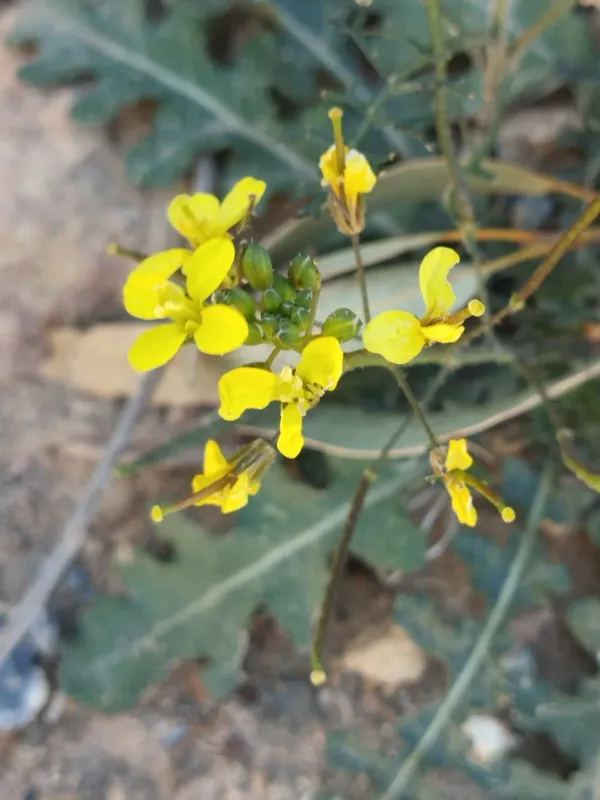
Description
Sowing dates
Sowing of Diplotaxis ilorcitana is primarily carried out in spring, once the soil warms up to 10–12 degrees Celsius. The middle of April is considered the optimal time for the start of field operations, allowing plants to maximize the use of available soil moisture.
For a continuous harvest, a second sowing in late August or early September is possible. Autumn sowings allow the crop to develop under moderate temperature conditions, which positively affects the taste qualities of the leafy rosettes.
The planting depth for outdoor sowing should not exceed 1–1.5 centimeters. Small seeds require high-quality pre-sowing soil preparation and the creation of a fine-crumb structure to ensure uniform germination.
The sowing pattern provides for row spacing of 20 to 30 centimeters. This planting density prevents competition between plants and ensures free air circulation, reducing the risk of fungal diseases.
The seeding rate must account for the germination percentage of the seed lot. Typically, 2 to 4 kilograms of seeds are used per hectare, depending on the desired plant density and the planned method of mechanical harvesting.
Growing requirements
Diplotaxis ilorcitana belongs to the Brassicaceae family and prefers open, well-lit areas. Excessive shading leads to stem elongation and a reduction in product quality, as well as the loss of the characteristic pungent flavor.
The crop has moderate requirements for soil fertility, but it grows best in light, well-aerated sandy or loamy soils. The optimal pH level should be in the neutral or slightly alkaline range.
The plant possesses high resistance to drought conditions, which is due to its origin in the arid zones of the Iberian Peninsula. Nevertheless, regular watering during periods of active growth is required to form succulent leaf rosettes.
An important requirement is to avoid areas with water stagnation. Excessive soil moisture often triggers the development of root rots and negatively impacts the root system development of this crop.
In crop rotation, Diplotaxis is best placed after cereal grains or vegetable crops that do not belong to the Brassicaceae family. Resowing on the same site is recommended no earlier than after 3–4 years to prevent the accumulation of specific soil pathogens.
Main diseases and pests
The main threat to Diplotaxis ilorcitana comes from pests typical of all cruciferous plants. The most dangerous is the flea beetle, which can destroy young seedlings within a few days.
Under high humidity conditions, plants can be affected by Alternaria or downy mildew. Prevention involves adhering to proper irrigation regimes and thinning out dense plantings to improve air circulation.
Aphids can colonize the underside of leaves, sucking out cell sap and significantly reducing the marketability of the product. Controlling this pest requires regular inspection of the plantations and the use of biological control methods.
Slugs and snails often damage leaf rosettes, especially in years with rainy summers. To protect the crop, it is recommended to conduct regular weeding, as weeds serve as temporary shelter for these pests.
- Flea beetles
- Cabbage aphids
- Alternaria leaf spot
- Slugs and snails
- Root rots