
Diplotaxis acris
Diplotaxis acris
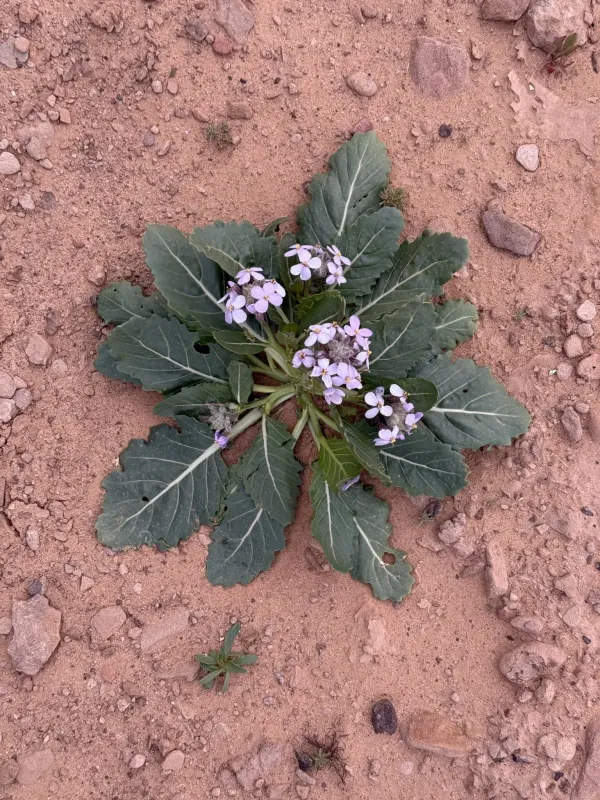
Description
Sowing dates
Diplotaxis acris is a resilient member of the Brassicaceae family, well-adapted to arid environments. Its seeds possess high germination energy, provided the soil temperature is adequate for growth.
The ideal sowing time is during early spring, taking advantage of residual moisture in the soil. In hot climates, sowing in late autumn can be effective to secure an early harvest before the peak heat.
Seeds should be planted at a shallow depth of 0.5–1 cm. Given the small size of the seeds, meticulous seedbed preparation is necessary to ensure consistent contact with the soil.
Row planting is recommended to facilitate optimal airflow and access to sunlight for each plant, reducing the risk of overcrowding and fungal development.
Early-stage growth is rapid, which helps the crop establish itself effectively and compete against opportunistic weeds in the field.
Growing requirements
This species is highly drought-tolerant, naturally thriving in the arid regions of the Middle East and Central Asia. It is built to withstand high temperatures and intense direct solar radiation.
The crop prefers well-drained, light-textured soils such as sandy loams. Heavy, waterlogged soils are detrimental and should be avoided to prevent root damage.
Adequate sunlight is crucial for the development of the plant's characteristic spicy flavor and its high content of essential oils and vitamins.
Soil pH levels ranging from 6.5 to 7.5 are optimal for growth. A slight presence of calcium in the soil enhances the structural integrity and robustness of the plants.
Proper management of irrigation is key, even though the plant is hardy. Consistent but moderate water supply during the vegetative phase maximizes leaf production.
Yield
Diplotaxis acris is valued for its ability to regenerate foliage after harvesting. Multiple cuts can be taken within a single season if the plant is well-maintained.
The leaves are harvested for their distinct sharp, peppery flavor, making them a premium addition to gourmet salads and as a spicy seasoning for various dishes.
Total yield is determined by the frequency of harvest and the nutrient availability in the soil. Post-harvest fertilization can significantly boost secondary leaf growth.
While primarily cultivated as a leafy green, the plant also serves as a nutritious forage source in certain agricultural systems, contributing to its versatile utility.
Maximum leaf yields are typically reached before the onset of the flowering stage, at which point the plant redirects its energy to seed development.
Main diseases and pests
Crucifer flea beetles are the most common pests affecting the crop during the seedling stage. Protective covers are often used to minimize damage without chemical intervention.
Downy mildew and other fungal pathogens may appear in conditions of high humidity or poor ventilation, requiring careful monitoring of the planting density.
Aphids can colonize the underside of leaves, particularly in drought-stressed plants. Regular scouting and immediate intervention are necessary to maintain quality.
Root rots caused by overwatering or poor soil drainage are significant threats. Proper crop rotation is an essential agronomic strategy to break the lifecycle of soil-borne diseases.
Integrated pest management, focusing on biological controls and cultural practices, is preferred to ensure the final product remains safe for fresh consumption.
Harvesting
Harvesting should be completed before the plants enter the bolting phase. Once the plant begins to flower, the leaves become tougher and more bitter in taste.
Cuts are best performed early in the morning when the leaves are turgid. This preserves the freshness and quality of the greens for a longer period post-harvest.
Immediate cooling or refrigeration after harvesting is necessary to prevent wilting. Professional packaging solutions are used to extend the shelf life of the fresh greens.
For seed production, harvest is conducted once the pods turn a light straw color. Care must be taken to prevent shattering, as the seeds disperse easily when fully mature.
Post-harvest processing involves threshing and cleaning the seeds using screens to remove chaff, followed by storage in a dry, well-ventilated environment.