
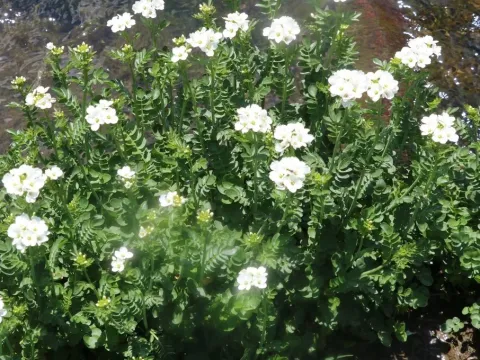
Cardamine uliginosa
Cardamine uliginosa
Cardamine uliginosa, commonly referred to as a species of bittercress, is a perennial plant belonging to the Brassicaceae family. It is distinctively adapted to wetland ecosystems, thriving in swampy habitats, riparian zones, and areas with persistent groundwater seepage.
What the section contains
Cardamine uliginosa
The primary agricultural requirement for this crop is a high water-holding capacity soil. It excels in mucky, organic-rich soils where moisture is constantly available. The plant requires a neutral to slightly acidic pH range to ensure optimal nutrient uptake from the saturated growing medium.
Regarding climatic needs, Cardamine uliginosa prefers cool, humid environments. It is sensitive to intense heat and prolonged direct sun exposure, which can cause rapid desiccation of the delicate leaf tissues if the roots are not kept sufficiently cool.
In terms of agricultural practice, maintaining a stable water level is critical. When cultivated, it is often placed in proximity to water features or managed within specialized irrigation systems that simulate natural marsh conditions, ensuring the roots remain hydrated throughout the cycle.
The plant is highly valued for its nutritional profile, containing significant amounts of vitamin C and mustard oils. Its cultivation is specialized, focusing on sustainable practices that protect the fragile wetland environment while maximizing the yield of edible greens.
Like many members of the Brassicaceae family, this species is susceptible to various fungal pathogens, particularly in stagnant water environments where air circulation is poor. Downy mildew and rust are among the most prevalent diseases recorded in intensive cultivation.
Crucifer flea beetles represent a significant threat to the crop. These pests are particularly aggressive during the early stages of plant development and can quickly devastate commercial patches if left unmanaged, requiring strict monitoring and preventive measures.
Aphid infestations are another common concern, as these insects prefer the tender, succulent leaves of Cardamine uliginosa. Heavy infestations can lead to stunted growth and reduced leaf quality, rendering the produce unmarketable for food consumption.
Soil-borne pests such as fungus gnats, attracted to the consistently wet environment, can damage the root systems of the plant. Maintaining proper sanitation and avoiding excessive organic decay in the substrate is essential to minimizing the larval population.
Integrated pest management (IPM) is highly recommended. The use of predatory mites and biological controls is preferred over broad-spectrum pesticides to ensure that the final harvested product remains free from chemical residues and safe for dietary use.