
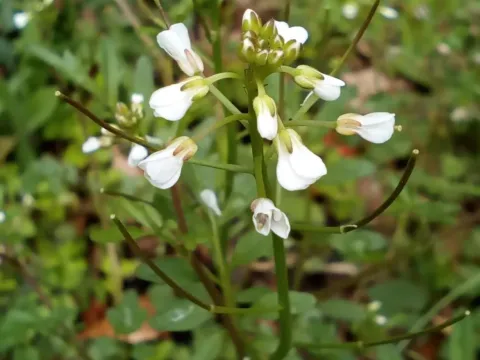
Cardamine scutata
Cardamine scutata
Cardamine scutata is a herbaceous plant within the Brassicaceae family, valued for its culinary potential as a leafy green. It belongs to a genus of plants that thrive in moist, temperate environments, exhibiting typical cruciferous growth patterns.
What the section contains
Cardamine scutata
The plant originates from East Asian regions, where it naturally occurs in damp forest floors and along riparian zones. This native ecology dictates its preference for shaded locations with cool, moist microclimates throughout the growing season.
Optimal soil conditions include high organic matter content and consistent moisture retention. The plant does not perform well in arid soils or under full sun, as heat stress causes rapid leaf senescence and bolting, which negatively impacts the yield of harvestable leaves.
Climatic requirements favor a mild environment with stable temperatures. Excessive fluctuations can stress the plant, leading to stunted growth. Greenhouse cultivation is often used to manage these environmental parameters in commercial operations.
Agronomic management relies on frequent, shallow irrigation and the application of balanced organic compost. Maintaining high humidity around the plants is essential for keeping the leaves tender and crisp, which are the primary attributes for marketability.
Like many members of the Brassicaceae family, Cardamine scutata is susceptible to pathogens such as clubroot (Plasmodiophora brassicae). Proper crop rotation is the most effective management strategy to mitigate this risk in long-term production systems.
Fungal issues, specifically powdery mildew and downy mildew, are prevalent in environments with high humidity and poor ventilation. Ensuring adequate plant spacing is vital to allow air circulation and decrease the incidence of these fungal outbreaks.
Flea beetles are the most damaging insect pests for this species. They typically attack the young, succulent foliage early in the season, causing significant economic damage if not managed with timely biological or chemical interventions.
Aphids can cause direct damage by feeding on plant sap, leading to leaf curling and reduced vigor. Monitoring programs should be established to identify early signs of infestation and prevent rapid colonization across the field.
Sanitation practices, including the removal of weeds and debris, are critical components of an integrated pest management program. This reduces the overwintering capacity for common Brassicaceae pests and pathogens in the growing area.