
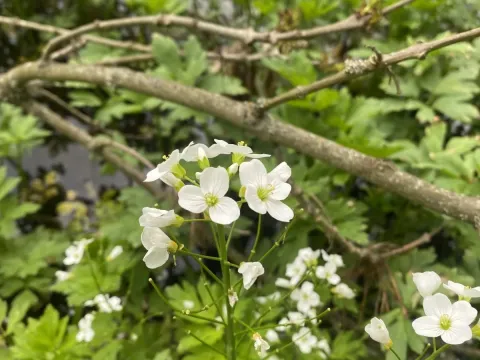
Cardamine tenera
Cardamine tenera
Cardamine tenera is a cool-season plant, making early spring the ideal time for sowing. Seeds should be planted when soil temperatures consistently reach 5–8 degrees Celsius, which promotes uniform germination.
What the section contains
Cardamine tenera
Given the small size of the seeds, they should be sown shallowly, at a depth of no more than 0.5 to 1 centimeter. Covering them with a fine layer of compost or vermiculite ensures better moisture retention.
Stratification of seeds for about two to three weeks before sowing can significantly improve germination rates. This mimics natural overwintering, helping the seeds overcome dormancy and sprout more reliably.
When sowing in rows, spacing should be set to allow for adequate air circulation as the rosettes develop. A distance of approximately 15–20 centimeters between plants is recommended to prevent competition for nutrients.
Maintaining a consistent moisture level in the seedbed is critical until emergence. Using a light mulch or shade cloth can prevent the top layer of soil from drying out too quickly during sunny spring days.
As a member of the Brassicaceae family, Cardamine tenera thrives in cool, moist, and partially shaded environments. In cultivation, it performs best when placed in areas that receive morning sunlight but are protected from harsh afternoon heat.
The soil should be rich in organic matter, well-draining, and maintain a consistent moisture level. High-quality potting mix or fertile garden soil with a pH ranging from 6.0 to 7.0 is optimal for robust growth.
Temperature management is vital, as this plant prefers cooler conditions, ideally between 12 and 18 degrees Celsius. Exposure to high heat often triggers bolting, which prematurely ends the vegetative production phase.
Regular irrigation is necessary to ensure the soil remains moist but not waterlogged. Overwatering can lead to root rot, so proper drainage is as important as water availability for healthy plant development.
Light fertilization with nitrogen-based organic matter during the early growth stages supports lush leaf development. Avoiding excessive chemical fertilizers helps preserve the delicate flavor profile and health benefits of the plant.
Crucifer flea beetles are the most significant pest threat to Cardamine tenera. These insects can cause extensive damage to young leaves, requiring proactive monitoring and potential application of insecticidal soap or row covers.
Fungal issues, such as downy mildew, may appear if the plants are overcrowded or if foliage remains wet for extended periods. Promoting airflow through proper spacing is the best preventive measure against these pathogens.
Slugs and snails are notorious for feeding on the tender foliage of this plant, especially during damp seasons. Utilizing physical barriers like crushed eggshells or copper tape can protect the young plants from these pests.
Maintaining a healthy crop also involves removing any surrounding weeds that could act as vectors for viruses. Keeping the area tidy prevents the buildup of pest populations that could migrate to the crop.
- Daily monitoring for signs of flea beetle damage.
- Implementation of row covers during the early vegetative phase.
- Use of organic pest control methods when necessary.
- Frequent weeding to reduce competitive pressure and pest habitats.
- Proper removal and disposal of any infected plant material from the field.