
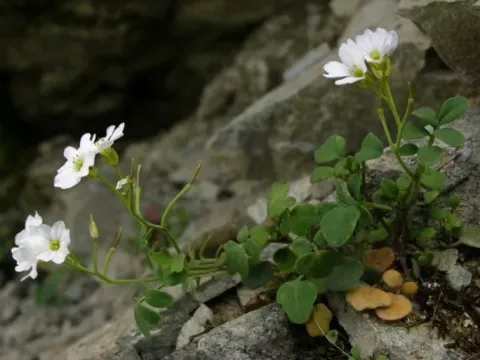
Cardamine plumieri
Cardamine plumieri
Cardamine plumieri is a perennial plant belonging to the Brassicaceae family. Propagation is primarily achieved through seeds, which require a period of cold stratification to break dormancy and ensure uniform germination during the spring season.
What the section contains
Cardamine plumieri
Sowing in open ground should ideally occur in autumn, allowing the seeds to undergo natural cycles of freezing and thawing. This mimics the plant's native habitat conditions and significantly improves the success rate of emergence.
If sowing indoors or in greenhouse conditions, seeds should be sown in a sterile, light potting mix. They should be covered only lightly with soil, as light is beneficial for their development, and kept at a stable temperature of around 15–18 degrees Celsius.
Seedlings typically emerge within three weeks. Once the plants reach the stage of having two to three true leaves, they should be transplanted into individual containers or directly to their permanent location in a shaded, well-draining garden area.
Proper spacing is crucial to ensure adequate airflow between mature plants. A density of 4 to 6 plants per square meter is usually recommended to prevent overcrowding and to maintain a healthy microclimate around the leafy rosettes.
This species thrives in moist, humus-rich soils with a slightly acidic to neutral pH. It is highly sensitive to waterlogging, so soil structure must allow for efficient drainage to prevent root asphyxiation during the wet seasons.
Cardamine plumieri prefers cool, temperate climates and performs best in locations with partial shade. Intense, direct sunlight, especially in the afternoon, can scorch the foliage and cause the plant to enter early senescence.
Maintenance involves keeping the soil consistently moist but never waterlogged. Supplemental watering is required during dry spells, with care taken to apply water directly to the soil surface to minimize the risk of leaf diseases.
Fertilization should be handled with caution, as high concentrations of nitrogen may lead to succulent, weak growth that is more susceptible to insect infestations. A balanced, slow-release fertilizer applied in early spring is generally sufficient.
Mulching with organic matter, such as leaf mold or compost, is highly recommended to regulate soil temperature and retain moisture. This practice also provides the roots with essential nutrients as the mulch gradually decomposes over time.
The primary threats to Cardamine plumieri are fungal pathogens such as powdery mildew and various types of root rots. These are often linked to poor air circulation and excessive humidity within the planting area.
Crucifer flea beetles are the most significant insect pests for this species. They feed on the young leaves, causing characteristic small holes that can quickly weaken the plant's ability to photosynthesize effectively during the growth phase.
Aphids can also cluster on the developing flower stalks. Integrated pest management, including the introduction of natural predators or the use of insecticidal soaps, is the preferred method for maintaining plant health without chemical residues.
Sanitation practices, such as the removal of dead or decaying foliage at the end of the season, are vital to reducing the overwintering populations of pests and fungal spores, thereby protecting the plant for the following year.
Regular monitoring of the foliage for early signs of distress is key. By addressing minor issues through cultural changes, such as improved thinning or better drainage, growers can prevent the escalation of threats into major infestations.