
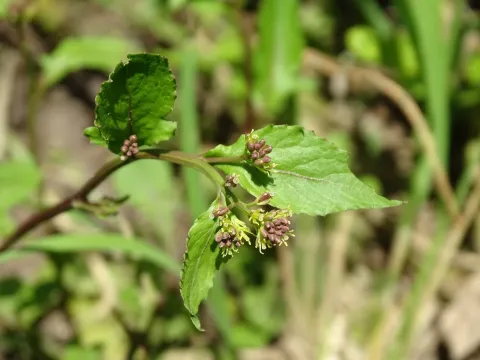
Cardamine sublyrata
Cardamine sublyrata
Cardamine sublyrata is a herbaceous plant belonging to the Brassicaceae family. It is known for its preference for damp environments and moderate temperatures, typical of its native habitats.
What the section contains
Cardamine sublyrata
The plant thrives in nutrient-rich, moist, and well-drained soils. A pH level ranging from neutral to slightly acidic is considered ideal for optimal nutrient uptake and growth.
Climate requirements include protection from extreme heat, as the plant prefers cooler environments and partial shade. It displays significant resilience to frost during the early spring season.
Cultivation practices involve maintaining consistent soil moisture, as drought stress can lead to bolting and a reduction in the quality of the harvested vegetative parts.
Organic fertilization is highly recommended for this crop. Adding compost or well-rotted manure to the soil helps sustain long-term fertility and improves the structural integrity of the growing medium.
Crucifer flea beetles are the most significant pest for Cardamine sublyrata. These insects can cause extensive damage to foliage if left unmanaged during the early growth stages.
Pathogens like clubroot or root rot can occur, especially in poorly drained soil conditions. Maintaining good soil structure and proper water management is critical for preventing these issues.
Slug and snail populations can rapidly devastate a crop in humid conditions. Integrated pest management (IPM) strategies, including physical barriers, are often effective.
Leaf spot diseases may appear during periods of prolonged high humidity. Adequate airflow between plants is essential to reduce the risk of fungal proliferation.
To mitigate disease pressure, farmers should avoid monocropping and rotate the species with non-cruciferous plants to interrupt the life cycles of common pests and pathogens.