
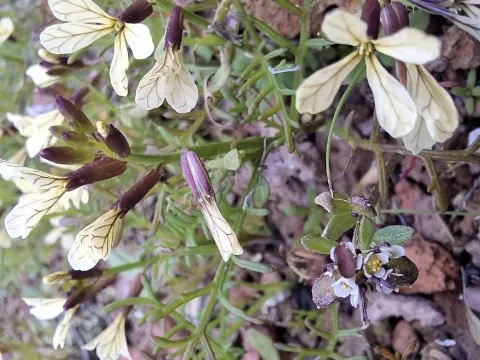
Carrichtera
Carrichtera
Carrichtera (Carrichtera annua) is an annual herb within the Brassicaceae family, well-adapted to arid and semi-arid environments. The sowing period generally aligns with the onset of the cool, rainy season to ensure optimal germination and early establishment.
What the section contains
Carrichtera
Seeds should be sown at a shallow depth of approximately 1–2 cm. Due to the small size of the seeds, achieving good seed-to-soil contact is essential for uniform emergence, often requiring a firm, well-prepared seedbed.
The seeding rate must be adjusted based on the intended use of the crop. Higher densities are preferred for biomass production or cover cropping, while lower densities are sufficient for seed multiplication.
In regions with unpredictable rainfall, timing the sowing to follow the first significant rains is crucial. This practice maximizes the utilization of natural soil moisture during the critical seedling stage.
No specific pre-sowing treatment is usually required, but ensuring high seed purity is recommended to prevent the introduction of unwanted weed species into the field.
Carrichtera is known for its remarkable drought tolerance. It thrives in regions characterized by low precipitation and high temperature, making it a valuable asset for desert agriculture.
The plant prefers light-textured soils, such as sandy loams or silty soils, which provide excellent drainage. It is intolerant to waterlogging and heavy, compacted soil types that restrict root aeration.
As a light-demanding species, it requires full sun exposure to achieve its full growth potential. Partial shading can lead to reduced biomass and stunted overall development.
Soil pH should ideally be neutral to slightly alkaline. The crop shows good resilience in calcareous soils, common in its natural Mediterranean and Middle Eastern range.
While adapted to low-moisture conditions, consistent moisture during the early vegetative phase will significantly improve total biomass yield compared to crops grown under extreme water stress.
Biomass production is highly dependent on environmental conditions, particularly the distribution and total amount of winter rainfall. Under ideal conditions, the crop produces a dense canopy.
As a forage crop, Carrichtera offers a nutritious option for grazing livestock in arid zones. It is highly valued for providing green fodder during periods when other forage sources are scarce.
Seed yields can be quite high, as the plant produces numerous siliques (seed pods) along its branches. Harvesting efficiency is key to realizing the potential yield of the seed crop.
The crop also acts as a useful green manure or cover crop, helping to protect the soil from erosion and contributing organic matter to sandy soils where it is often grown.
Overall economic returns are linked to the successful management of the growing season, with timing and site selection being the primary variables affecting the final yield outcome.
Pest pressure often comes from common Brassicaceae pests, most notably the flea beetle, which can decimate emerging seedlings if not monitored during the first few weeks of growth.
Fungal diseases, including powdery mildew and white rot, may occur under conditions of high humidity or poor soil drainage, necessitating careful management of irrigation and planting density.
Integrated pest management (IPM) strategies, including crop rotation with non-cruciferous species, are recommended to break the lifecycle of soil-borne pathogens and specific insect pests.
Early intervention with approved agricultural practices, such as mechanical weeding or targeted biological controls, is preferred over the widespread use of chemical pesticides.
Maintaining crop vigor through appropriate soil preparation and avoiding water stress reduces the plant's susceptibility to secondary infections and pest infestations.
For forage purposes, harvesting should take place before the full bloom stage. Harvesting at the bud stage ensures the highest protein content and digestibility for livestock consumption.
Seed harvesting requires precision to avoid yield loss from pod shattering. Once the pods turn straw-colored and become brittle, harvesting operations should be initiated promptly.
Mechanical harvesting via combine harvesters requires adjustments to cylinder speed to prevent damage to the seeds, as they are relatively small and sensitive to high mechanical impact.
Post-harvest cleaning is essential to remove chaff, dust, and other debris from the seed lot. Proper cleaning enhances storage stability and future germination percentages.
Stored seeds must be kept in a cool, dry environment to prevent the buildup of moisture, which can lead to fungal growth and reduced viability of the planting material for the next season.