
Cardamine quinquefolia
Cardamine quinquefolia
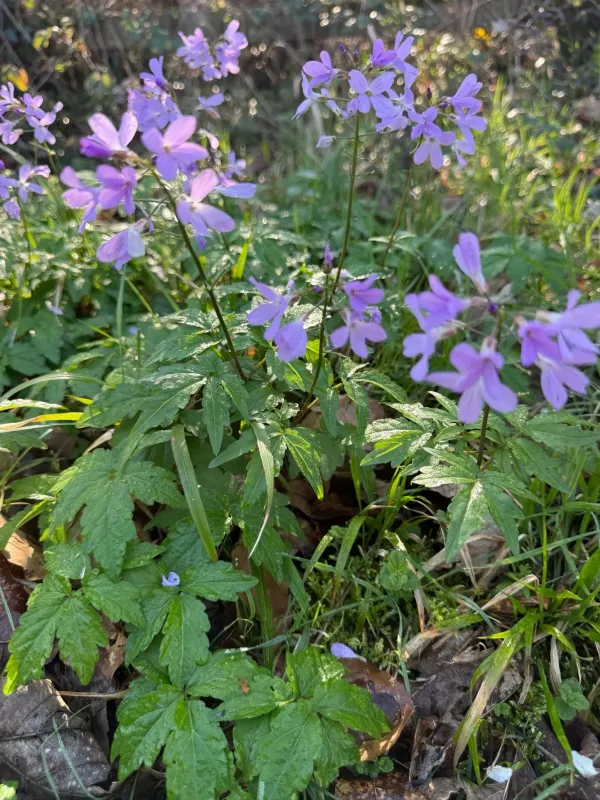
Description
Growing requirements
Cardamine quinquefolia is a perennial herbaceous plant belonging to the Brassicaceae family. It is typically found in deciduous forests, where it thrives in humus-rich, loose, and well-drained soils under a canopy of trees.
This species is a classic ephemeral plant. Its growth cycle is strictly tied to early spring, when it utilizes the available moisture and light before the forest canopy fully develops, after which it enters a period of summer dormancy.
Environmental requirements include a preference for semi-shaded locations. Direct, intense sunlight is generally avoided as it promotes rapid drying of the forest-like soil profile, which is detrimental to the plant's sensitive root system.
The optimal substrate for cultivation is a fertile, moist, and well-aerated soil. Incorporating organic matter, such as leaf mold, helps mimic its natural habitat and maintains the appropriate soil moisture levels required for healthy rhizome development.
In landscaping, Cardamine quinquefolia is valued as a ground cover for shaded rock gardens or woodland areas. Propagation is primarily achieved through the division of rhizomes, which should be performed during the plant's dormant phase.
Main diseases and pests
The primary threats to the health of this culture are fungal diseases, particularly those affecting the root system, which are often exacerbated by poor soil drainage and waterlogging.
Pests such as slugs and snails represent a significant challenge for the plant, especially during the tender growth stages in early spring when the foliage is young and succulent.
Crucifer flea beetles may occasionally feed on the leaves, although their impact is usually limited due to the plant's short seasonal duration before entering summer dormancy.
Preventative measures involve ensuring adequate spacing to promote airflow and maintaining a balanced soil moisture level to minimize the conditions favorable for rot-inducing pathogens.
Given the plant's ephemeral nature, monitoring is most crucial during the brief spring period; once the foliage yellows and dies back, the risk of damage from most common agricultural pests significantly decreases.