
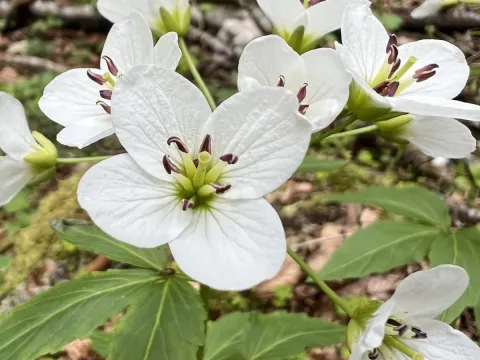
Cardamine waldsteinii
Cardamine waldsteinii
Cardamine waldsteinii, a member of the Brassicaceae family, is typically propagated by seeds or through vegetative division of the rhizome. The optimal time for sowing seeds outdoors is in the autumn, as they require a period of stratification to germinate successfully in the spring.
What the section contains
Cardamine waldsteinii
When using the seedling method, sowing is performed in late winter in containers filled with a lightweight nutrient substrate. Seedlings emerge when stable moderate temperatures and humidity are maintained, ensuring high growth vigor during the first year of development.
Planting seedlings in their permanent location is carried out after the weather warms up and the danger of late spring frosts has passed. Plants are spaced 20–30 cm apart to establish a full ground-cover carpet.
For vegetative propagation, mature clumps are selected in early spring or after the active flowering period ends. Dividing the rhizome allows for rapid expansion across the plot while preserving the varietal traits of the parent plant.
Care during the first year after planting requires regular watering and weed control, as invasive plants can suppress the development of young bittercress shoots. Subsequently, the plant becomes quite competitive.
This species is endemic to the mountainous regions of Southeastern Europe and prefers conditions similar to its natural forest ecosystems. The plant displays high shade tolerance, making it ideal for landscaping areas under tree canopies.
The plant has increased requirements for soil moisture. Ideal conditions for Cardamine waldsteinii are loose, humus-rich, slightly acidic or neutral loams with good drainage to prevent water stagnation.
In regions with hot summers, maintaining stable substrate moisture is critical. Desiccation of the topsoil layer negatively impacts the ornamental value and biological activity of the culture throughout the growing season.
The plant adapts well to temperature fluctuations and is characterized by high winter hardiness. It can withstand significant temperature drops under a protective snow cover, which is typical for its mountainous native range.
Application of mineral fertilizers is limited to early spring feedings with nitrogen-rich compounds, which promote intense vegetative mass growth before the onset of the flowering phase.
The main threats to Cardamine waldsteinii in garden or field cultivation are fungal diseases that develop under conditions of excessive humidity and poor air circulation.
Powdery mildew can infect the foliage during prolonged rainy periods, necessitating the use of copper-based fungicides or specialized systemic plant protection products.
Pests such as slugs and snails pose a significant danger, especially in the spring. They actively consume the succulent leaves of the bittercress, leaving characteristic holes and reducing the aesthetic potential of the planting.
To prevent pest infestation, it is recommended to use barrier methods, including gravel mulching or the installation of traps, which helps avoid excessive chemical loading on the soil.
Root rots may occur if the planting site is chosen incorrectly, where meltwater stagnates. Selecting an appropriate site with consideration of terrain slope is a key element of disease prevention.