
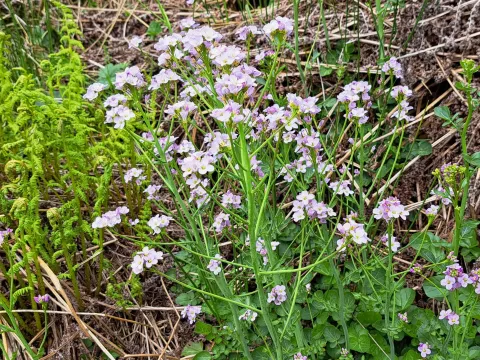
Bitter cress
Cardamine acris
Bitter cress (Cardamine acris) belongs to the Brassicaceae family. It is a perennial herbaceous plant that naturally inhabits moist environments, riverbanks, and shaded forest regions throughout Europe.
What the section contains
Bitter cress
The plant thrives in loose, humus-rich soils with neutral or slightly acidic pH levels. Maintaining consistent soil moisture is crucial, as the species is highly sensitive to drought and dehydration of its root system.
Cardamine acris shows moderate climatic requirements and is known for its high winter hardiness. This trait allows it to be successfully cultivated in various temperate climate zones without specialized shelter.
Regarding sunlight, the plant prefers semi-shaded locations. Direct sunlight, especially during peak daytime hours, can cause leaf scorch and inhibit overall vegetative development, making partial shade an essential requirement.
In terms of practical use, the plant is valued primarily as a decorative species for damp garden areas and as a subject of botanical interest due to the specific chemical compounds it produces.
The most significant threats to the crop include fungal diseases, particularly powdery mildew and root rot, which flourish when there is excessive humidity and poor air circulation around the plants.
Flea beetles from the Cruciferae family represent a major pest risk. They can cause substantial damage to the foliage during the early stages of the growing season, significantly reducing plant vitality.
Slugs and snails are also common pests due to their preference for the moist habitats where Cardamine acris grows. These mollusks can consume significant portions of the plant in a very short time.
Preventive measures for disease control focus on maintaining proper spacing between plants to ensure adequate ventilation. This practice is vital for reducing the prevalence of fungal spores in the canopy.
Pest management involves regular scouting and the use of targeted insecticides or mechanical barriers to protect the plants when infestation thresholds are exceeded in the garden or field settings.