
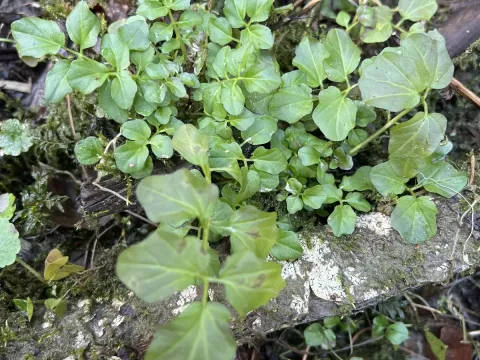
Bittercress
Cardamine amara
Cardamine amara, commonly known as large bittercress, is a perennial herbaceous plant from the Brassicaceae family. It spreads naturally via seeds or through stem fragments that root easily in moist soil conditions.
What the section contains
Bittercress
When cultivating this crop, seeds should be sown in late autumn or early spring. The seeds require a period of cold stratification to ensure high germination rates once the environmental temperature rises.
For better control over plant density, nursery propagation is recommended. Seeds are sown into damp, fertile peat-based substrates during the late winter period to produce strong seedlings for transplanting.
Transplanting to the final site occurs when the seedlings have at least four true leaves. The plants are spaced approximately 20 to 30 centimeters apart to allow sufficient room for lateral growth.
Vegetative propagation using stem cuttings is highly efficient for commercial setups, as the plant can develop roots from any leaf node in contact with water or wet soil.
Large bittercress is a hydrophyte, meaning it thrives in consistently wet habitats. It is essential to choose sites with high water availability, such as pond edges or irrigation-controlled beds.
The soil should be rich in organic matter and maintain a neutral to slightly acidic pH level. High moisture retention in the soil is crucial for the plant to reach its full vegetative potential.
While the plant can tolerate full sun if moisture is abundant, it performs best in partial shade. Excessive heat and direct sunlight often lead to early bolting, which negatively affects the quality of the leaves.
The climate requirement is centered on temperate conditions. Bittercress is hardy and can survive frost, often remaining green even during mild winter spells, provided the root zone does not freeze solid.
Proper maintenance involves weeding early in the growth stage to ensure the crop is not choked by more aggressive wetland weeds that compete for light and mineral resources.
The crop offers a continuous harvest throughout the growing season if provided with enough water. With proper management, growers can expect multiple cuts of young, flavorful leaves.
Harvesting is typically performed before the plant initiates flowering, as the concentration of bitter-spicy compounds in the leaves is ideal for salad usage during the vegetative phase.
The yield potential is quite high in specialized wet-bed systems, where nutrients can be applied directly to the water or soil without competition from soil-based pathogens.
On average, a well-managed plot can produce up to 1 kilogram of fresh greens per square meter per harvest cycle, depending on nutrient availability and planting density.
As a specialty salad green, it commands a premium price due to its distinct taste profile, making it a viable niche crop for small-scale commercial producers focusing on high-quality produce.
Crucifer flea beetles are the most common pests affecting bittercress. They target the foliage, leaving small holes that reduce the commercial appeal of the salad greens.
Excessive humidity combined with poor airflow can lead to fungal issues like downy mildew or various root rot pathogens, especially if the water becomes stagnant.
Slugs and snails often graze on the tender leaves. Using copper barriers or organic slug pellets around the perimeter of the planting bed is an effective way to manage these pests.
Integrated Pest Management (IPM) practices are highly encouraged. Biological controls, such as beneficial insects or organic sprays, are preferred over synthetic pesticides due to the crop's short growth cycle.
- Monitor for signs of pest damage weekly during warm months.
- Ensure good ventilation in the growing area to discourage fungal growth.
The harvest is performed by cutting the stems manually at a height of about 5–7 centimeters. Leaving the base intact allows the plant to produce new shoots quickly.
Timing the harvest for the early morning is essential, as the leaves have maximum turgor and crispness at this time, which is critical for long-term freshness.
Post-harvest processing involves quick washing to remove any substrate debris and cooling the produce to slow down transpiration and respiration rates.
Packaging in ventilated containers or bags helps maintain the necessary humidity while allowing the greens to breathe during transport to the market.
Following a harvest, a light application of organic liquid fertilizer can help the plants recover and boost growth for the next harvesting cycle in the rotation.