
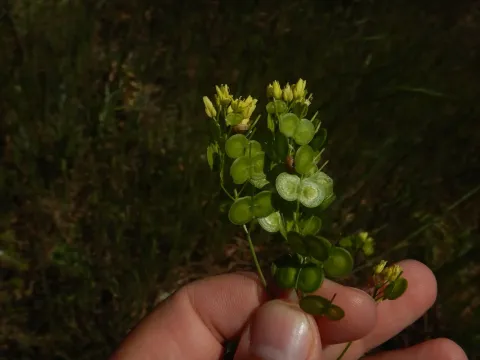
Biscutella sempervirens
Biscutella sempervirens
Biscutella sempervirens is a perennial herbaceous plant classified within the Brassicaceae family. It is native to the mountainous regions of the Mediterranean, where it thrives in rocky, limestone-rich soils, demonstrating an evolutionary adaptation to arid and nutrient-poor environments.
What the section contains
Biscutella sempervirens
Botanically, the plant is characterized by its compact evergreen basal rosette and distinct, spectacle-shaped seed pods, which are a defining trait of the genus. These structures provide both aesthetic value and resilience against harsh mountain winds and weather patterns.
Cultivation requirements for this species are centered on its need for full sun and exceptional soil drainage. It is highly intolerant of waterlogged conditions, making it unsuitable for heavy, clay-based soils without significant amendments to improve porosity and aeration.
The agronomic management of Biscutella sempervirens is minimal due to its adaptation to natural conditions. It requires little to no fertilization, as excessive nutrient levels can lead to weak growth and increased susceptibility to environmental stressors, preferring instead a substrate that mimics its native rocky habitat.
Its primary use is in ornamental agriculture, specifically for rock gardens, xeriscaping, and sustainable landscaping projects. Its ability to maintain foliage year-round makes it a valuable asset for maintaining structural integrity in low-maintenance garden designs throughout the seasons.
The most significant threats to the health of this plant are fungal pathogens resulting from excessive moisture and poor soil drainage. Root rot is the leading cause of mortality in cultivated environments, especially during cooler seasons when soil evaporation rates are significantly reduced.
Insect pests include typical Brassicaceae feeders such as flea beetles, which may cause leaf damage during the spring growth phase. Additionally, in damp conditions, slugs and snails can cause substantial damage to the foliage, necessitating vigilant monitoring in areas where humidity levels remain high for extended periods.