
Boreava
Boreava
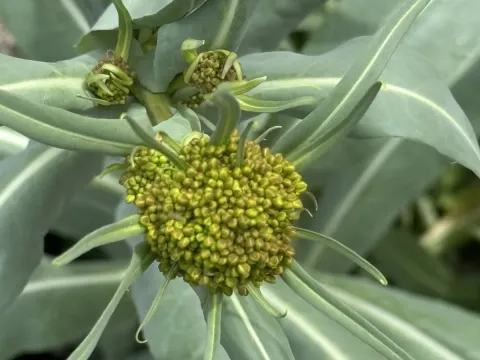
Boreava belongs to the Brassicaceae family and is recognized for its potential as a specialized oilseed and forage crop. It is gaining attention for its adaptability and ability to thrive in various agricultural environments.
What the section contains
Boreava
The optimal time for sowing is early spring, once the soil has warmed up and is no longer waterlogged. Precise seed placement is essential for ensuring uniform emergence and a healthy start to the season.
Standard row spacing varies between 15 and 30 centimeters to ensure adequate space for each plant. Proper calibration of seeding equipment is vital to maintain the recommended plant density per hectare.
Seedbed preparation should involve fine soil tilth to maximize seed-to-soil contact, which significantly improves germination rates. Firming the soil after sowing can help conserve moisture in the upper layers.
Timely sowing is crucial, as it allows the crop to establish a robust root system before the onset of drier summer conditions, thereby increasing overall resilience and potential yield.
Boreava thrives in temperate climates and is known for its cold tolerance during the seedling stage. It requires adequate sunlight to ensure healthy vegetative growth and successful flowering.
Well-drained soils, such as loams or fertile silt, are ideal for this crop. It is sensitive to waterlogging, so fields with poor drainage should be avoided or improved with proper soil management techniques.
Regarding soil fertility, the crop responds positively to balanced fertilization, specifically nitrogen and phosphorus application. Maintaining an appropriate soil pH is essential for nutrient uptake.
Water availability is a key factor, particularly during the flowering and seed-filling stages. While the crop exhibits some drought resistance, supplemental irrigation can drastically boost productivity.
Competition from weeds must be minimized, especially in the early stages of growth, through mechanical cultivation or appropriate herbicide management. Clean fields contribute to better air circulation and sunlight exposure.
The crop is susceptible to common Brassicaceae pests, such as flea beetles, which can cause significant damage to young seedlings. Integrated pest management strategies are highly recommended.
Diseases like clubroot and downy mildew can impact yields, particularly if proper crop rotation is not practiced. A rotation cycle of at least three years is suggested to break disease life cycles.
Rapeseed beetles are another significant threat that targets developing buds, potentially leading to lower seed set. Regular field scouting is necessary to determine the economic threshold for intervention.
To reduce disease pressure, it is advisable to use certified, disease-free seed. Sanitation practices and destroying crop residues help prevent the carry-over of pathogens into the next season.
Regular monitoring of plant health allows farmers to respond swiftly to any biotic stressors. Using resistant varieties, where available, remains the most effective long-term strategy for crop protection.