
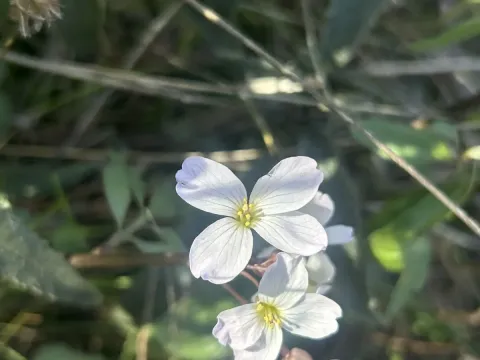
Bittercress
Cardamine
Bittercress (Cardamine) is a diverse genus of flowering plants belonging to the Brassicaceae family. Many species within this genus are grown for their culinary, medicinal, or ornamental value.
What the section contains
Bittercress
Sowing should take place in early spring once the soil temperature is stable. Cardamine seeds are quite small and require consistent moisture and moderate temperatures to germinate successfully.
The seeds should be sown on the surface or covered very lightly with fine soil. Placing them at a depth of more than 0.5 centimeters can significantly reduce the emergence rate.
Germination typically occurs within 14 to 21 days. Maintaining high soil humidity during this phase is essential, as the young seedlings are delicate and prone to drying out quickly.
For optimal growth, seedlings should be spaced out as they grow, ensuring that there is enough room for air circulation, which prevents the development of fungal issues later on.
Cardamine thrives in cool, moist, and semi-shaded environments. It is naturally adapted to damp meadows, forest edges, and areas near running water, reflecting its need for constant hydration.
Rich, loamy soils that retain moisture but offer good drainage are ideal. Adding organic matter, such as leaf mold or compost, will help improve soil structure and water retention capacity.
Excessive heat and direct sunlight should be avoided, as they can stress the plants and cause leaves to yellow or wilt. A location with morning sun and afternoon shade is usually preferred.
Regular weeding is crucial because the plant's shallow root system makes it a poor competitor against aggressive weeds that might steal nutrients and water from the soil.
Maintaining a neutral soil pH is generally sufficient for most species. While the plant benefits from light fertilization, avoid excessive nitrogen, which can lead to lush but weak growth.
The primary threats to Cardamine are pests common to the Brassicaceae family, particularly flea beetles. These insects can create small holes in the leaves, damaging the aesthetic and yield.
Aphids are another frequent pest, especially during dry spells. They cluster on the undersides of leaves and at the tips of new growth, weakening the plant by sucking its sap.
Fungal diseases like downy mildew can occur if the planting site lacks proper air circulation or if the plants are watered overhead in the evening, keeping leaves wet for too long.
Root rot can be a problem in heavy, waterlogged soils where oxygen cannot reach the root system. Proper site selection is the best preventive measure against these conditions.
Integrated pest management, including the use of neem oil or insecticidal soaps, is often the most effective and safest approach to managing these threats in a garden setting.
Harvesting Cardamine is best done when the plant is in full bloom. At this stage, the essential oils and nutritional compounds are concentrated in the leaves and stems.
The harvest involves cutting the aerial parts of the plant, leaving enough of the stem base to allow for regrowth throughout the season if the environmental conditions remain favorable.
Once harvested, the plant material should be handled carefully. It wilts quickly, so it should be processed immediately for fresh use or dried in a cool, dark, and airy location.
Drying should be done away from direct sunlight to preserve the vibrant color and aromatic profile of the leaves, which are valued for their peppery taste.
Proper storage in airtight containers after complete drying will ensure that the nutritional and aromatic qualities of the harvest remain stable for future use.