
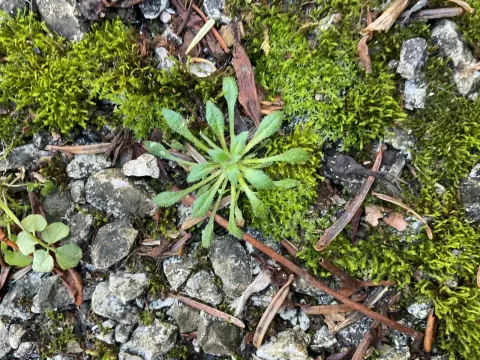
Schivereckia
Schivereckia
Seeds of Schivereckia are typically sown in late autumn directly into the open ground to benefit from natural cold stratification required for germination.
What the section contains

Schivereckia
If spring sowing is planned, seeds must undergo artificial stratification in a cold environment at temperatures around +2 to +5 degrees for at least one month.
The seeds are very small and must be sown on the soil surface, as they require light exposure for successful germination and emergence.
Optimal planting spacing is approximately 20–25 centimeters between plants, which is essential for maintaining proper airflow around the leafy rosettes.
Seedlings can be started in trays indoors during March, provided they receive bright light and cool temperatures to prevent etiolation of the young shoots.
Schivereckia thrives in well-drained, rocky, or calcareous soils that mimic the natural alpine habitat typical for the genus.
The plant is highly heliophilic and requires full sun exposure throughout the day to ensure dense growth and abundant flowering in spring.
This species is well-adapted to harsh climates, showing significant resistance to both frost and prolonged dry periods once established.
Water stagnation is the most common cause of failure in cultivation; therefore, providing an excellent drainage system is non-negotiable for success.
The soil should be kept neutral to slightly alkaline, avoiding acidic environments that can inhibit nutrient uptake and lead to stunted growth.
Root rot is the primary physiological and pathological threat to Schivereckia, usually triggered by excessive irrigation or compacted, waterlogged soil.
Powdery mildew may occur during periods of high humidity and poor ventilation, causing white fungal spots on the foliage and reducing plant vigor.
Flea beetles are the most frequent insect pests, capable of causing significant leaf damage during the early growing season in spring.
Aphids can also colonize the inflorescences, sucking sap from the developing flower buds and resulting in deformed or underdeveloped blossoms.
Effective management includes regular inspection for pests, ensuring optimal spacing to facilitate air circulation, and avoiding overhead watering.