
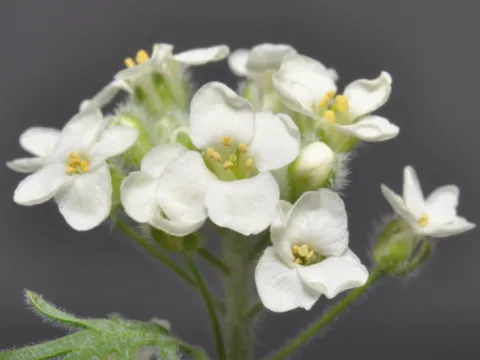
Sprawling cabbage
Brassica procumbens
Sowing of Brassica procumbens should be timed carefully based on local seasonal patterns to ensure that germination occurs during optimal temperature ranges.
What the section contains
Sprawling cabbage
The seeds are typically placed at a shallow depth of approximately 1 to 2 centimeters to ensure effective emergence while preventing the seedlings from depleting their stored energy.
Appropriate row spacing is essential for this species, given its trailing habit, typically requiring a distance of 45 to 60 centimeters between rows for optimal growth.
Transplanting seedlings started in a controlled greenhouse environment is a common practice that provides a head start and improves crop uniformity across the field.
Regular monitoring of seedbeds is necessary to maintain consistent moisture levels, which is crucial for the uniform development of initial sprouts.
As a member of the Brassicaceae family, Brassica procumbens thrives in well-structured, loamy soils that provide a balance between moisture retention and essential drainage.
The plant requires a neutral to slightly acidic soil pH and benefits significantly from the incorporation of organic matter to support its nutritional needs during the vegetative phase.
Climatic requirements involve stable temperatures and adequate light exposure, as extreme heat or deep shade can drastically limit the plant's overall productivity.
Water management is critical, as the crop requires consistent irrigation without exposing the roots to prolonged saturation, which could lead to physiological stress.
Providing adequate space for aeration around the plant canopy helps in maintaining healthy conditions and reducing the humidity levels that favor fungal development.
Common agricultural pests affecting this species include flea beetles, which can cause significant damage to the leaf tissue during the early stages of plant growth.
Fungal diseases like downy mildew and alternaria leaf spot are significant threats, particularly in environments where air circulation is restricted or humidity is high.
Integrated pest management strategies, such as crop rotation, are highly recommended to disrupt the life cycles of soil-borne pathogens and insect populations.
Maintaining field hygiene by removing plant debris after the harvest season plays a vital role in reducing the overall infection pressure for subsequent crops.
Early identification of pest populations through scouting allows for the timely application of control measures before significant economic damage occurs.
Harvesting Brassica procumbens should be conducted when the plant reaches its peak quality, ensuring that the leaves or stems are harvested at the appropriate maturity stage.
It is advisable to harvest during cooler periods of the day to minimize transpiration and preserve the fresh quality of the harvested produce for the end consumer.
Careful handling during the harvest process is important to prevent bruising, as the tissue of this species is relatively sensitive to physical impact and pressure.
Immediate post-harvest cooling and proper storage conditions are essential to maintain the shelf life and nutritional integrity of the harvested material.
Sorting products according to size and health status post-harvest ensures that only high-quality produce enters the supply chain, enhancing marketability.