
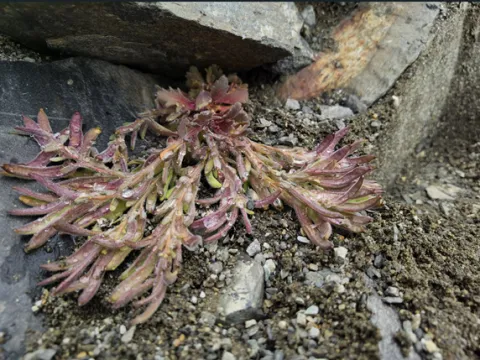
Solms-laubachia himalayensis
Solms-laubachia himalayensis
Sowing seeds of Solms-laubachia himalayensis requires a controlled environment that mimics the harsh conditions of its high-altitude native habitat.
What the section contains
Solms-laubachia himalayensis
Early spring is the ideal time for sowing, ensuring the seedlings have enough time to establish before the peak of summer heat.
Seeds should be sown thinly onto a gritty, well-draining substrate, barely covering them, as light is beneficial for the germination process.
Maintaining a stable, cool temperature is crucial, and providing a period of cold stratification can significantly improve germination rates.
Keep the soil consistently moist but never waterlogged, ensuring proper airflow around the containers to prevent fungal issues during the early stages.
Solms-laubachia himalayensis belongs to the Brassicaceae family and originates from the rugged, high-altitude regions of the Himalayas and Tibet.
This species demands excellent drainage and is best suited for rock gardens or scree beds where the roots can stay cool and aerated.
The soil should be nutrient-poor, rocky, and mineral-based, as organic-rich soil will encourage weak growth and increase susceptibility to rot.
High exposure to sunlight is essential for compact, healthy growth, though some protection from the hottest afternoon sun may be needed at lower altitudes.
Careful irrigation is mandatory; water should be applied directly to the soil to keep the foliage dry, reducing the risk of bacterial and fungal infections.
Root rot is the primary threat to this species, usually caused by poor drainage or excessive humidity in the root zone during the warmer months.
Fungal leaf spot can develop if the environment lacks sufficient air circulation, especially in humid or stagnant garden conditions.
Slugs and snails are the most common pests, as they are attracted to the succulent-like foliage and can cause significant damage in a single night.
Aphids may occasionally target the flower stalks, potentially stunting the development of the blossoms and weakening the plant's overall vigor.
Effective management includes using a gravel mulch layer to prevent leaf contact with the soil and conducting regular inspections to remove pests manually.