
Biscutella cichoriifolia
Biscutella cichoriifolia
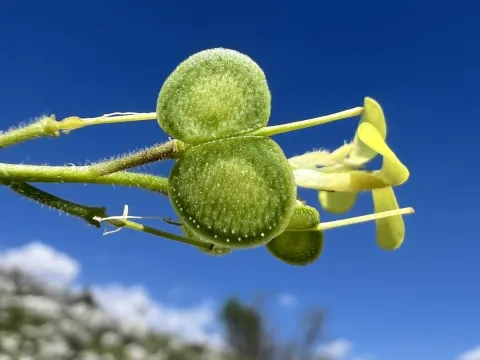
Biscutella cichoriifolia is a perennial herbaceous plant belonging to the Brassicaceae family. It is distinct for its basal rosette of leaves that bear a significant resemblance to chicory foliage, which defines its common and scientific name.
What the section contains
Biscutella cichoriifolia
Originating from the mountainous regions of Southern and Central Europe, this species has evolved to thrive in specialized ecological niches. It is typically found in stony, calcareous, and nutrient-poor environments where competitive pressure from other flora is reduced.
Successful cultivation of this crop depends heavily on site selection. It requires full sun exposure and soil that provides excellent drainage. Sandy or stony soils with a slightly alkaline pH are ideal for maintaining the health and vigor of the plant's root system.
Agronomically, this plant is noted for its low-maintenance requirements once established. It is drought-tolerant, but seedlings require consistent moisture during the germination phase to ensure proper establishment of the primary taproot.
While not a major commercial staple crop, Biscutella cichoriifolia is valued in botanical and scientific circles for its genetic resilience. It serves as a study model for adaptation to alkaline environments within the Brassicaceae family.
Like many members of the mustard family, this species is susceptible to a range of brassica-specific pests. Flea beetles represent the most significant threat to young plants, as they can quickly defoliate the leaves during early spring growth.
Fungal pathogens associated with high humidity, such as downy mildew and various root rot fungi, pose a constant risk. Implementing a strict crop rotation and ensuring adequate plant spacing are essential preventive measures to mitigate these disease impacts.