
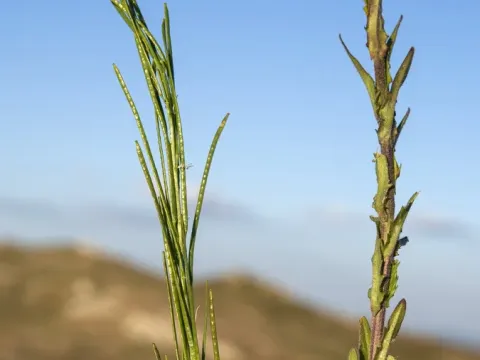
Arabis stenocarpa
Arabis stenocarpa
Arabis stenocarpa is a specialized crop belonging to the Brassicaceae family, which requires precise timing and site preparation for optimal performance.
What the section contains
Arabis stenocarpa
Sowing should ideally occur in the early spring, ensuring the soil has reached an adequate temperature to support rapid germination and emergence.
The seeding depth should be minimal, as the seeds are quite small and require sufficient moisture to initiate the metabolic processes of development.
It is recommended to maintain a consistent seed rate to ensure uniform plant distribution, which helps in reducing competitive stress between individuals.
Proper seedbed preparation involves creating a fine tilth, which facilitates uniform contact between the seeds and the surrounding moist soil particles.
The crop thrives in well-lit, sunny environments that provide ample solar radiation for active photosynthesis and biomass accumulation during the season.
Soil requirements are relatively specific, favoring well-drained, porous soils that prevent root zone waterlogging during periods of high precipitation.
Agronomic management requires a balanced approach to fertilization, ensuring that macronutrients are readily available during the early growth stages.
Weed control is essential, as the crop lacks strong competitive ability against fast-growing annual weeds in the early stages of its lifecycle.
Regular monitoring of soil pH is advised, as the plant performs best in neutral to slightly alkaline soil conditions, which support nutrient uptake.
The most significant threats to the yield include cruciferous pests, such as flea beetles, which can cause severe defoliation of the crop foliage.
Fungal diseases related to moisture stress are also common, necessitating careful management of irrigation and field drainage to maintain plant health.
Integrated pest management (IPM) strategies are highly encouraged to minimize the reliance on chemical inputs while maintaining effective control.
- Monitoring for aphid colonization.
- Implementation of crop rotation schemes.
- Removal of infected plant residues.
Early detection of signs of disease or pest infestation is crucial for taking timely corrective actions and preventing widespread crop failure.