
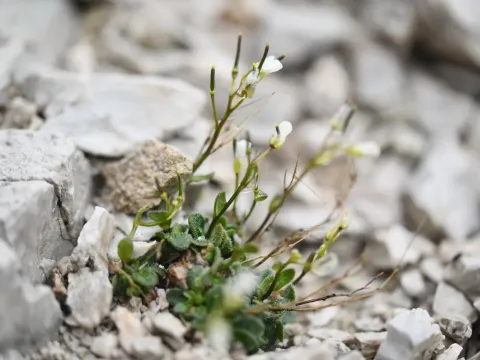
Arabis pumila
Arabis pumila
Sowing seeds of Arabis pumila is best carried out in early spring. The seeds require stable temperatures and sufficient light to trigger the germination process successfully in early May.
What the section contains
Arabis pumila
For indoor propagation, seeds should be sown in seedling trays during March. Use a light, porous soil mix to ensure that the delicate roots are not restricted during the early stages of development.
Because the seeds are extremely small, they should be surface-sown without burial. Simply pressing them into the growing medium is sufficient to ensure good seed-to-soil contact for moisture absorption.
Pricking out the seedlings occurs once the first set of true leaves is fully developed. Moving the young plants into individual pots encourages a stronger root system before final transplanting.
When transplanting into rock gardens, ensure a spacing of at least 25 centimeters between individual plants. This spacing is vital for the plant to form its characteristic tight, leafy rosettes.
Arabis pumila is a member of the Brassicaceae family, renowned for its preference for rocky, well-drained habitats. It thrives in locations that receive full sun exposure for the majority of the day.
The ideal soil for this crop is lean and sandy, with a neutral to slightly alkaline pH. High fertility is not required, as excessive nutrients often lead to lush but weak foliage growth at the expense of flowers.
Drainage is the most critical factor for successful cultivation. The crown of the plant must be kept dry to prevent rot, which is why planting on slopes or elevated rock features is highly recommended.
Watering requirements are moderate. During the establishment phase, consistent moisture is necessary, but once the plant is mature, it demonstrates significant drought tolerance under normal garden conditions.
Good air circulation is essential for the health of Arabis pumila. Avoiding overcrowded planting arrangements helps reduce the humidity around the foliage and prevents common physiological issues.
Fungal diseases, particularly root rots, are the primary threat to the longevity of the plant. These issues almost always stem from excessive soil moisture or poor drainage in the planting site.
Crucifer flea beetles are the most frequent insect pest for this species. They feed on the young, tender leaves, leaving small holes that can weaken the plant if left unchecked during the spring.
Powdery mildew can occasionally affect the foliage, especially in climates with high humidity or poor airflow. Pruning back affected leaves and applying suitable fungicides can help manage the infection.
Caterpillars belonging to the cabbage white butterfly family may also cause damage. Monitoring the plants during late spring and summer is recommended to physically remove these pests before they multiply.
Maintaining a clean garden bed by removing surrounding weeds and dead plant debris significantly lowers the pressure from pests and diseases, keeping the Arabis healthy and vibrant.