
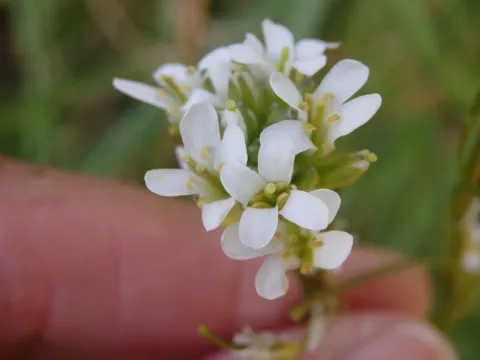
Arabis juressi
Arabis juressi
Arabis juressi is a perennial herbaceous plant belonging to the Brassicaceae family. Native to the mountainous terrains of the Iberian Peninsula, this species has evolved to thrive in harsh, rocky environments, showcasing remarkable resilience in challenging conditions.
What the section contains
Arabis juressi
Botanically, it is characterized by the formation of dense, low-growing rosettes that eventually develop into tight mats. During the flowering period, the plant produces an abundance of small, typically white flowers, which completely blanket the foliage, creating a visually striking display.
The successful cultivation of Arabis juressi requires well-draining, moderately fertile soil with a neutral to slightly alkaline pH. Proper drainage is the most critical factor for this species, as stagnant water around the roots can lead to plant mortality during the dormant season.
This plant thrives in full sun exposure. It requires high light intensity to maintain its characteristic compact, mound-like growth form. In shady conditions, the plant tends to become leggy and loses its aesthetic appeal, often resulting in diminished flowering potential.
In landscape architecture, Arabis juressi is primarily used as a ground cover in rock gardens, screes, and alpine borders. Its hardiness makes it an excellent choice for regions with cool springs, provided that the soil conditions are appropriately optimized for drainage.
The primary threats to Arabis juressi are fungal infections, particularly those triggered by excessive soil moisture and poor air circulation. Root rot is a common issue that can destroy the plant structure if drainage conditions are not met.
Pests such as flea beetles represent a significant threat, especially during the early growth stages of the plant. These insects cause damage by creating numerous small holes in the leaves, which significantly impacts the plant's vigor and ornamental value.
Aphids may occasionally infest the developing flower buds, extracting sap and weakening the plant. Regular monitoring of the foliage and reproductive parts is essential for the early detection and management of these common agricultural pests.
To mitigate disease risks, avoid overhead watering and ensure that the plant is grown in a well-ventilated area. Preventive application of appropriate fungicides may be necessary in humid climates where fungal pathogens are more prevalent.
Cultural practices, such as removing debris from around the base of the plant and maintaining appropriate spacing, contribute to a healthier environment. Integrated pest management strategies are recommended to maintain the long-term vitality of the planting.