
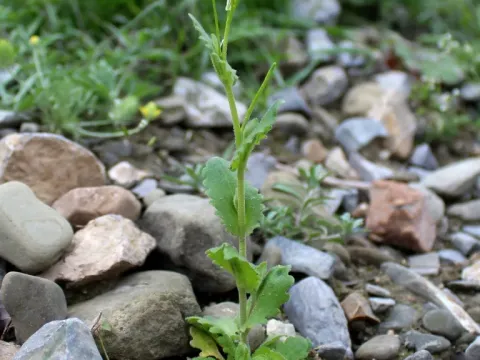
Arabis nova
Arabis nova
Sowing Arabis nova is typically performed in late autumn or early spring to leverage natural temperature fluctuations for seed stratification. Proper timing ensures uniform germination and robust development of the root system during the initial growth phase.
What the section contains
Arabis nova
The seeds should be sown thinly on the surface of well-prepared, loose soil, barely covering them with a light layer of substrate. Since the seeds are minute, excessive depth can inhibit germination and lead to poor crop emergence.
Spacing is a critical factor for the health of the plants, with a recommended distance of 20 to 30 centimeters between specimens. Adequate space ensures proper air circulation, which is vital for preventing fungal diseases in the humid spring months.
When starting seedlings indoors, use shallow trays with a drainage-rich potting mix. Transplanting should occur once the risk of severe frost has passed, ensuring the root ball is handled with care to prevent transplant shock.
Maintaining consistent soil moisture is essential until the seedlings are well-established. Once the plants have developed a true leaf system, their drought tolerance increases significantly, requiring less frequent irrigation.
Arabis nova belongs to the Brassicaceae family and thrives best in locations with full sun exposure. It is highly adapted to well-drained, sandy, or rocky soils, reflecting its natural preference for mountain-like conditions.
The species demonstrates excellent resilience to drought and does not tolerate waterlogged conditions. High soil moisture can lead to root rot, which is the primary cause of plant failure in garden and agricultural settings.
Soil pH should ideally be neutral or slightly alkaline. In acidic environments, soil amendments such as lime may be necessary to optimize nutrient uptake and support the plant's structural integrity.
Fertilization should be applied sparingly, focusing on balanced mineral nutrition rather than high nitrogen levels. Over-fertilization encourages rapid vegetative growth that is often prone to lodging and reduced flower density.
This crop is exceptionally hardy and capable of surviving extreme winter temperatures in various climate zones. Providing a site with good natural drainage is the most important factor in ensuring long-term plant survival.
Clubroot, caused by soil-borne pathogens, is a significant threat to members of the Brassicaceae family. Crop rotation is the most effective management strategy to minimize the risk of infection in the long term.
Powdery mildew may occur if planting density is too high or if air circulation is obstructed. Fungicidal applications are effective when used proactively, particularly during periods of high humidity and warm temperatures.
Crucifer flea beetles are the most damaging insect pests, often attacking leaves during the seedling stage. Regular monitoring and the application of appropriate contact insecticides are necessary to maintain crop health during early growth.
Slugs and snails can cause damage to foliage, especially in damp conditions. Creating barriers of grit or wood ash around the base of the plants can discourage these pests from feeding on the leaves.
Effective management of diseases and pests relies heavily on garden hygiene. Prompt removal of diseased plant debris and maintaining weed-free rows will significantly lower the pressure from various pathogens and insects.