
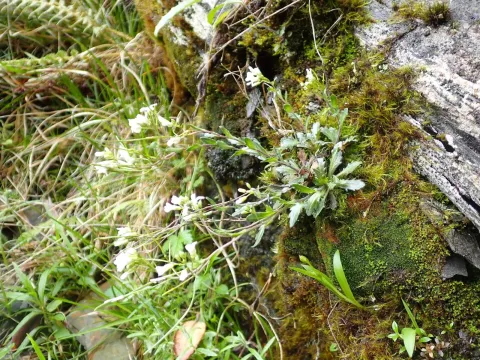
Arabis serrata
Arabis serrata
Arabis serrata belongs to the Brassicaceae family and is commonly propagated by seeds. Sowing is typically carried out in spring, utilizing controlled greenhouse environments to optimize germination success rates.
What the section contains
Arabis serrata
When sowing directly into the field, ensure the soil temperature is stable and above 15 degrees Celsius. The seeds are very small and should not be buried deep, but rather pressed gently into a well-prepared seedbed.
For uniform growth, spacing between plants should be maintained at 20–30 centimeters. This density promotes optimal air circulation, which is vital for the health of the species.
The germination period usually spans between two to three weeks, during which consistent moisture must be maintained without waterlogging the germination medium.
Successful establishment depends on early protection from extreme weather elements, such as strong winds or torrential rain, which can easily displace the delicate seedlings.
This species thrives in well-drained, porous soils. It is essential to ensure that the site does not hold standing water, as the plant is highly susceptible to root rot if kept in damp conditions.
Full sun exposure is a requirement for Arabis serrata. Shade results in elongated stems and a drastic reduction in flower production, which negatively affects the plant's ornamental quality.
The plant is adapted to moderate soil fertility. Excessive nitrogen fertilization should be avoided as it stimulates disproportionate leaf growth at the expense of root strength and flowering.
Maintenance involves routine weeding, as competition from aggressive weeds can easily overwhelm this relatively low-growing species during its early development phase.
During the dormant winter season, a light mulch or a protective covering is recommended in regions with severe frosts to prevent root upheaval and potential damage to the crown.
Common issues include fungal infections like downy mildew, particularly in areas with poor ventilation. Symptoms include yellowing leaves and white fungal growth on the underside of foliage.
Flea beetles are the primary insect threat, causing significant aesthetic and physiological damage by skeletonizing the leaves. Regular inspection during the early growth season is advised.
Aphids can also colonize the plant during warm, dry periods. Their feeding habits cause leaf curling and the potential spread of viral pathogens that can stunt the plant permanently.
Cultural control, such as removing affected plant debris and preventing overcrowding, is the first line of defense against both pests and pathogenic organisms.
If chemical intervention becomes necessary, it is vital to select products that are specific to the identified pest to minimize the impact on beneficial pollinators in the garden.