
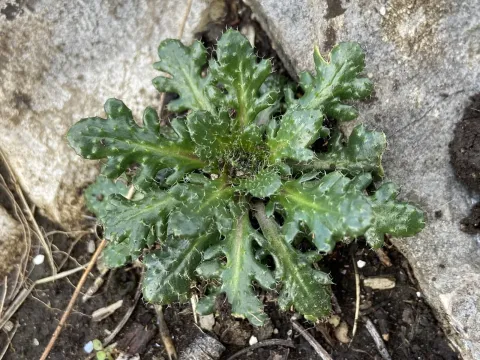
Arabis scabra
Arabis scabra
Sowing Arabis scabra in temperate climates is typically performed by seeds either directly into the ground or via seedling trays. The most favorable time for direct sowing is April or May, once the danger of night frosts has passed and soil temperatures have stabilized.
What the section contains
Arabis scabra
When using the seedling method, seeds should be sown in containers during March. It is crucial to maintain cool temperatures for germination, as excessive heat at the initial developmental stage can cause leggy growth and weaken the seedlings.
Surface sowing is highly recommended, as the seeds of this plant require exposure to light to trigger germination processes. Simply press the seeds into the substrate and cover them with a very thin layer of fine sand.
Seedlings usually emerge within two to three weeks under consistent moisture. Once the first pair of true leaves appears, the young plants should be pricked out into individual pots or spaced 20–30 centimeters apart in their permanent garden location.
Autumn sowing is also a viable option in regions with mild winters, as the seeds benefit from natural cold stratification in the soil, leading to stronger and more resilient sprouts during the following spring.
Arabis scabra, a member of the Brassicaceae family, naturally thrives in well-drained, stony soils. The plant is well-adapted to nutrient-poor substrates, meaning that excessive use of organic fertilizers can actually hinder its decorative appeal and compact growth habit.
A primary requirement for successful cultivation is full sun exposure. Growing the plant in shade results in weak, spindly stems and a significant reduction in flower production, which is undesirable for ornamental purposes.
The ideal soil pH should be neutral to slightly alkaline. It is imperative to avoid waterlogged sites, as the root system of Arabis scabra is highly sensitive to excessive moisture and can quickly succumb to rot in heavy or clay-based soils.
The plant exhibits excellent winter hardiness, consistent with species native to mountain regions. Nevertheless, in snowless winters with severe frosts, it is advisable to provide light cover with spruce branches or horticultural fleece to prevent dehydration caused by winter winds.
During dry spells in the growing season, moderate watering is required. However, the plant possesses a well-developed root system typical of rock-dwelling species, allowing it to withstand short periods of drought quite effectively.
The main threats to Arabis scabra are fungal diseases, which often develop due to stagnant moisture or poor air circulation. Root rot is a common issue that manifests as sudden wilting of the foliage, necessitating prompt removal of affected parts.
Cruciferous flea beetles can cause significant damage to the leaves, especially when the plants are young. These pests create numerous small holes in the foliage, which weakens the plant's overall health and vigor.
Aphids may also infest the plant, particularly during the flowering stage, clustering on stems and flower stalks to feed on plant sap. Early intervention with biological insecticides is recommended if an infestation is detected.
Powdery mildew can occur in densely planted areas where air movement is restricted, appearing as a white, dusty film on the leaves. Preventive measures include maintaining proper spacing between plants to encourage airflow.
General hygiene, such as the removal of dead foliage and post-flowering trimming, is essential for maintaining plant health. Proper pruning helps ensure adequate ventilation and reduces the likelihood of disease transmission throughout the growing season.