
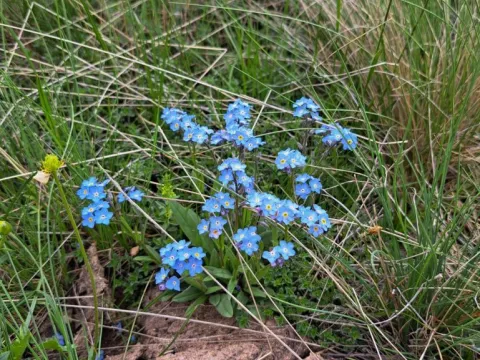
Myosotis suaveolens
Myosotis suaveolens
Myosotis suaveolens, belonging to the Boraginaceae family, requires a structured approach to sowing. Seeds are typically started indoors during early spring using a well-draining, lightweight potting mix.
What the section contains
Myosotis suaveolens
For outdoor sowing, the optimal timeframe is mid-summer, specifically July or August. This schedule allows the plants to establish a strong root system before the onset of winter temperatures.
Given the minute size of the seeds, they should be lightly pressed into the soil surface rather than buried deeply. Consistent surface moisture is essential for successful germination.
Maintaining a temperature range of 18-20°C is crucial during the early stages. Covering the trays with glass or plastic helps to create the necessary humidity for uniform emergence.
Once the seedlings develop two true leaves, they should be thinned or transplanted. Proper spacing of 15-20 centimeters is necessary to ensure adequate airflow and prevent overcrowding.
The culture thrives in partial shade or areas with filtered sunlight. Intense direct mid-day sun should be avoided to prevent petal scorching and early senescence of the flowers.
Well-structured, fertile soil with a high organic content is ideal for optimal growth. Amending heavier soils with organic matter and sand can significantly improve aeration and drainage.
Moisture management is key, as Myosotis suaveolens is sensitive to both prolonged drought and excessive waterlogging. Consistent watering is required throughout the growing season.
Balanced fertilization is recommended to support floral development. Using low-nitrogen fertilizers helps focus the plant's energy on blooming rather than excessive vegetative growth.
The plant is generally hardy, but in regions with extreme winter climates and lack of snow cover, mulching with peat or protective foliage is recommended to protect the root crown.
Powdery mildew is a primary concern, especially in areas with poor ventilation and high humidity. It manifests as a white, dusty coating on the foliage and requires prompt treatment.
Root rot can occur in poorly drained conditions where water stagnates. Preventing these conditions through proper soil preparation and irrigation scheduling is the best defense.
Pests such as aphids and flea beetles often target young, succulent growth. Monitoring these populations early is essential to prevent severe damage to the plant's aesthetics.
Slugs and snails are frequently attracted to the moist environment created by these plants. Implementing barriers or using biological controls can protect the seedlings from being decimated.
Integrated pest management, including regular weeding and maintaining proper distance between plants, ensures a healthy environment and limits the spread of disease pathogens.
Seed harvesting should occur once the seed pods begin to turn brown but before they shatter. Timely collection is crucial to prevent the loss of yield due to natural dispersal.
After harvesting, the seeds should be dried in a well-ventilated, shaded area. This curing process ensures the longevity of the seeds when stored for future planting cycles.
In ornamental production, yield refers to the abundance and longevity of blossoms. Regularly pruning spent flowers prevents seed formation and encourages a longer blooming period.
Good agricultural practices allow for the consistent production of high-quality flowers and seeds, maintaining the plant's vigor throughout the entire growing season.
Seed storage requires a cool, dark, and dry environment. Properly dried and sealed, the seeds can retain high viability for several years after harvest.