
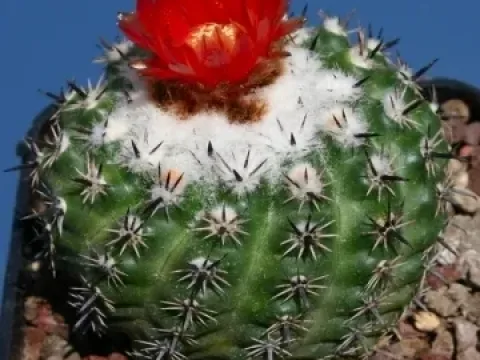
Bolivicactus
Bolivicactus
Bolivicactus is a genus belonging to the Cactaceae family, native to the high-altitude regions of the Andes. These plants are adapted to thrive in harsh environments, characterized by intense sunlight, thin air, and significant temperature fluctuations between day and night.
What the section contains
Bolivicactus
Successful cultivation requires high levels of light, ideally direct sunlight for several hours each day. In indoor settings, these cacti should be placed near south-facing windows to prevent etiolation and maintain their dense spine development and structural integrity.
The substrate must be highly porous and well-draining. A typical successful mixture includes one part potting soil, one part coarse sand, and two parts mineral components like perlite or fine grit. This composition mimics their natural rocky habitat and prevents water retention.
Proper water management is essential for this culture. During the active growing season, water should be applied only when the soil has completely dried out. Watering during the winter dormancy period should be kept to a bare minimum to avoid root rot and stress.
Temperature control is vital for longevity. While Bolivicactus enjoys warmth during the summer, it requires a distinct cool-down period during the winter months, with temperatures dropping to around 10 degrees Celsius, which is necessary to induce future flowering.
Spider mites are the most common pests, particularly in low-humidity environments. They can cause surface discolouration and weaken the plant. Regular monitoring of the stem and the use of appropriate miticides are recommended for effective management.
Mealybugs can become a significant issue, often hiding within the plant's spine clusters. Because of the density of the spines, these insects can be difficult to remove manually; therefore, systemic insecticides are often the preferred choice for complete control.
Root rot, driven by moisture-loving fungi and bacteria, is the primary threat to the plant's life. It is almost always a result of poor drainage or overwatering, necessitating an immediate change of the potting medium and inspection of the root structure for damage.
Stem rot is another critical issue, often characterized by blackened, soft tissue at the base of the plant. If identified early, the affected area must be cut away with a sterile blade, and the plant should be allowed to callous before being repotted in dry substrate.
Improper ventilation can exacerbate disease risks, especially when temperatures remain stagnant. Ensuring good airflow around the cactus prevents the accumulation of humidity, which otherwise encourages the growth of various pathogens on the plant epidermis.