
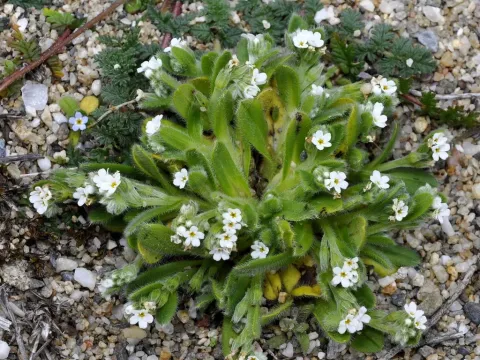
Myosotis litoralis
Myosotis litoralis
Myosotis litoralis, a member of the Boraginaceae family, requires specific sowing conditions to thrive. Seeds are typically sown in early spring as soon as the soil has warmed up, or late autumn for natural stratification.
What the section contains
Myosotis litoralis
Surface sowing is essential for this species, as the seeds need light for germination. They should be pressed gently into the substrate without covering them with a thick layer of soil to ensure optimal light exposure.
In a controlled nursery setting, seeds can be started indoors in March to ensure a robust plant structure before transplanting outdoors. A spacing of 20 centimeters between plants is recommended for proper development.
Consistent moisture is the primary requirement for successful germination. Irrigation should be fine and frequent enough to keep the surface damp but not waterlogged until the seedlings emerge.
The species demonstrates excellent self-seeding capabilities. Once established in a suitable environment, it often regenerates naturally, minimizing the need for repetitive annual planting efforts.
The coastal forget-me-not thrives in consistently moist, well-draining soils. It is particularly well-suited for riparian zones, pond edges, and damp meadows where other crops might struggle with water levels.
Fertile, loamy, or organic-rich soil provides the best nutritional base for Myosotis litoralis. While it tolerates a variety of soil types, maintaining a neutral to slightly acidic pH is ideal.
Light levels should be managed carefully; while the plant is resilient, it prefers partial shade during the hottest parts of the day. Excessive direct sunlight can dry out the roots and cause premature wilting.
Maintenance tasks include light weeding to remove competition, especially during the early growth stages. Careful cultivation around the plant base helps aerate the soil without causing damage to the delicate root system.
Environmental adaptability is a key feature of this species. It is hardy in cold climates and does not require intensive fertilization, making it a sustainable choice for many landscape applications.
Fungal pathogens such as powdery mildew are common in dense, stagnant air conditions. Improving airflow through appropriate plant spacing is the most effective preventative measure.
Aphids often target the tender shoots and flower buds of Myosotis litoralis. Monitoring should be done weekly, especially in warm, humid weather when pest reproduction rates are highest.
Root rot is a risk if the drainage is insufficient, especially in areas where water might pool. Ensuring the soil remains "damp" rather than "soaked" is critical for plant health.
Slugs and snails can cause significant damage to young leaves during spring. Using physical barriers or environmentally safe baits helps protect the plants without harming the local ecosystem.
In case of severe infestations, targeted application of organic-certified pesticides is recommended to manage the pest populations while maintaining the integrity of the coastal habitat.