
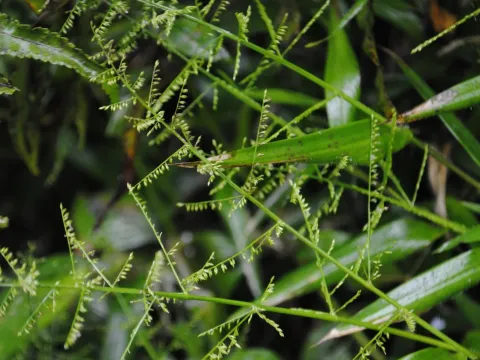
Bolivian panicum
Panicum boliviense
Bolivian panicum (Panicum boliviense) is a member of the Poaceae family, native to tropical regions of South America, where it thrives in diverse environmental conditions.
What the section contains
Bolivian panicum
Planting typically begins when soil temperatures consistently reach 15–18 degrees Celsius, ensuring that the seeds can germinate quickly without the risk of frost damage.
The seeding process is usually carried out using row drilling methods, which allow for optimal spacing and easier weed control throughout the early growth stages of the plants.
Consistent moisture levels post-sowing are vital for establishing a uniform crop stand, which serves as the foundation for the entire growing season.
For high-quality results, farmers should ensure the use of certified seed lots and perform proper seed treatment to protect the crop from soil-borne pathogens immediately after planting.
This crop requires well-drained, fertile soil, as it does not tolerate waterlogging, which often leads to root development issues and overall yield reduction.
As a sun-loving plant, Bolivian panicum performs best in open fields with maximum daily sunlight exposure, which is essential for its robust photosynthetic activity.
Temperature management is critical, with an ideal range between 22 and 30 degrees Celsius, allowing the crop to achieve maximum vegetative growth potential.
Nutrient management through balanced fertilization, particularly with nitrogen and phosphorus, is necessary to support the plant's high demand for building vegetative biomass.
Weed management remains one of the primary concerns, especially in the first few weeks, requiring mechanical cultivation or appropriate herbicide application to minimize competition.
The yield potential of Panicum boliviense is heavily dependent on the management intensity, particularly the application of balanced nutrition and effective irrigation strategies.
Typically used for green fodder or high-quality silage, the crop produces a significant amount of biomass per hectare when provided with optimal growing conditions.
In regions with long growing seasons, the crop can be harvested multiple times, provided that sufficient time is allowed for the plants to recover after each cut.
Nutritional value is highest before the flowering phase, making timely harvesting essential for farmers prioritizing the quality of the harvested feed for livestock.
Data from agricultural field trials suggest that proper soil management can significantly improve the longevity of the stand and increase annual output per unit area.
Fungal diseases are the primary threat, especially in humid climates where poor air circulation within the canopy facilitates the rapid spread of pathogens.
Insect pests such as grass aphids and stem-boring insects require constant monitoring to prevent them from causing irreversible damage to the developing stalks and foliage.
- Leaf rust.
- Root rot complexes.
- Cereal aphids.
- Helminthosporium blight.
An integrated pest management strategy, combining regular field scouting and selective chemical applications, is recommended to keep pest populations below economic damage thresholds.
Cultural practices, including proper crop rotation and the destruction of infected plant debris, remain the best way to reduce the impact of typical grass diseases.
Harvesting should ideally be timed just before the plants reach the heading phase to ensure the highest protein content and digestibility for livestock consumption.
Adjusting the cutting height is crucial for the future productivity of the field, as leaving adequate stubble helps the plant regenerate its foliage more rapidly.
Once harvested, the material should be processed into silage or hay as quickly as possible to prevent excessive nutrient loss due to respiration and oxidation.
Modern forage harvesting equipment, such as disc mowers with conditioners, helps shorten the drying process, ensuring that the feed maintains its quality during storage.
Strategic harvesting schedules allow producers to balance the quantity and quality of the forage, ensuring the supply meets the needs of the livestock farm throughout the year.