
Myriopus
Myriopus
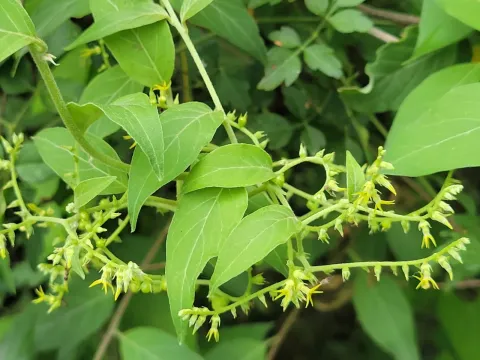
Myriopus is a genus of plants belonging to the Boraginaceae family. Historically linked to the genus Heliotropium, these plants are distinguished by their specific botanical architecture, including unique inflorescence structures that set them apart in both wild and cultivated settings.
What the section contains


Myriopus
The native range of this crop includes tropical and subtropical regions, primarily in the Americas. Consequently, Myriopus thrives in environments with high ambient temperatures and abundant solar radiation, which are essential for its vigorous growth and reproductive development.
Agricultural requirements for Myriopus emphasize well-drained soil profiles. The plant is particularly sensitive to waterlogging, which can cause rapid root decay. Ideally, the substrate should be loamy or sandy-loam with an organic matter content that provides both nutrient retention and aeration.
In terms of crop management, consistent moisture availability during the vegetative stage is crucial, but it must be balanced with adequate soil drainage. Over-irrigation is a common mistake that can compromise the plant's health and lead to physiological stress.
Fertilization regimes should be adjusted based on the growth cycle. Nitrogen-rich applications are beneficial during the early establishment phase to encourage leaf development, while shifting toward potassium-heavy blends supports the production of high-quality flowers and seeds.
Myriopus is susceptible to various fungal pathogens, with powdery mildew being the most prevalent under conditions of high humidity and poor air circulation. Managing plant spacing is a primary defense strategy to ensure sufficient airflow throughout the canopy.
Common agricultural pests affecting this crop include spider mites and whiteflies. These insects proliferate rapidly in hot, dry weather conditions, necessitating vigilant monitoring during the mid-season period to prevent outbreaks that could decimate plant foliage.
Integrated Pest Management (IPM) practices are highly recommended for Myriopus cultivation. This involves the use of biological controls, such as beneficial predatory mites or parasitic wasps, alongside minimal use of targeted, low-toxicity chemical agents when necessary.
Root rot, often caused by pathogens like Pythium or Phytophthora, remains a significant threat in poorly drained soils. Maintaining proper sanitation of the growing environment and using sterile media are essential preventive measures to mitigate these soil-borne risks.
Finally, viral diseases may pose a threat if vector insects are not controlled. Regular scouting for symptoms of chlorosis or leaf curling is vital, and any symptomatic plants should be promptly removed and destroyed to preserve the health of the surrounding crop.