
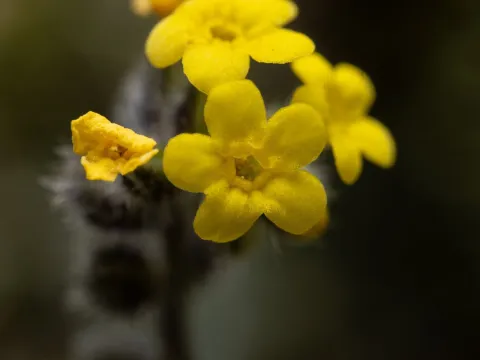
Myosotis persoonii
Myosotis persoonii
Sowing Myosotis persoonii is best achieved during the early spring months once the soil temperature is consistently above the freezing point for optimal germination.
What the section contains
Myosotis persoonii
Surface sowing is mandatory for this species, as the tiny seeds require exposure to light to trigger biological processes and successfully initiate the growth phase.
For container-grown crops, it is recommended to maintain an environment with high humidity and stable temperatures ranging between 15 to 18 degrees Celsius.
Autumn sowing is a viable alternative in milder climates, allowing the seeds to undergo natural stratification, which often results in more vigorous plants.
Once seedlings reach a stage with two or three true leaves, they should be thinned or transplanted carefully to allow for adequate development of the root system.
As a member of the Boraginaceae family, Myosotis persoonii thrives in cool, moist, and partially shaded habitats, reflecting its natural subalpine origins.
The ideal soil profile should be rich in humus, well-draining yet moisture-retentive, preventing the physiological stress caused by either drought or waterlogging.
This species is highly sensitive to intense direct sunlight, which can cause leaf scorch and premature drying, therefore, a location with dappled light is preferred.
Regular irrigation is essential, particularly during the peak growing season, to ensure the plants maintain turgor pressure and produce high-quality blooms.
Regarding soil chemistry, a slightly acidic to neutral pH level provides the most favorable nutrient availability for healthy vegetative and reproductive growth.
Powdery mildew is the most common fungal disease affecting this crop, particularly in environments with poor air circulation and high humidity levels.
Aphids pose a recurring threat to the foliage and flower stems, often causing systemic weakness and stunted development if left unchecked by the gardener.
Root rot, driven by stagnant water in heavy, poorly aerated soils, can rapidly devastate a population, requiring immediate corrective action regarding soil drainage.
Preventative cultural practices, such as maintaining proper spacing between plants and avoiding overhead watering, significantly mitigate the risks of pathogen spread.
When chemical control is necessary, it is vital to select products labeled for ornamental use, ensuring they are applied according to the manufacturer's instructions.