
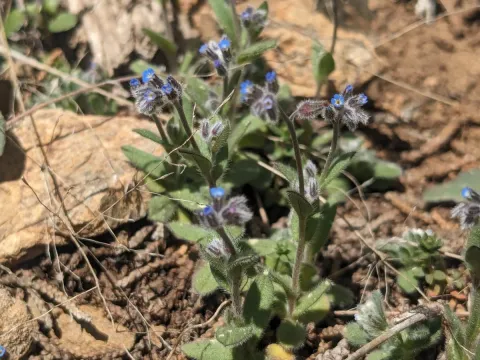
Myosotis refracta
Myosotis refracta
Myosotis refracta belongs to the Boraginaceae family. This species is a herbaceous plant characterized by distinct morphological features, specifically the refracta pedicels that point downwards as the fruits mature, which is a key identifying trait.
What the section contains
Myosotis refracta
The botanical structure includes fine foliage and delicate flowers typical of the genus. The plant is adapted to specific ecological niches, usually found in regions with temperate climates and often associated with rocky or well-drained substrates.
Regarding climatic requirements, the plant prefers areas with stable temperatures and moderate moisture levels. It thrives in environments that mimic high-altitude conditions where air circulation is naturally consistent and excessive heat is absent.
Soil requirements focus on excellent drainage and a neutral to slightly acidic pH balance. Heavy, compacted soils are detrimental to the plant, as they inhibit oxygen access to the roots and often lead to physiological stress or total failure.
Agronomic practices for this species emphasize precise irrigation schedules to avoid soil waterlogging. Maintenance involves keeping the root zone aerated and ensuring the plant is not overcrowded by aggressive weeds that compete for sunlight and soil nutrients.
Fungal diseases such as powdery mildew represent the primary threat to Myosotis refracta, especially when high humidity levels coincide with stagnant air conditions. Preventing these issues requires careful spacing of plants to improve airflow.
Root rot caused by various soil-borne pathogens is another significant concern. This is primarily linked to improper drainage or over-irrigation, leading to the decay of the root system and eventual death of the plant.
Insect pests such as aphids are frequently observed on this species. They feed on succulent plant tissues, causing stunted growth and leaf deformation, which can reduce the overall health and ornamental or ecological value of the crop.
Spider mites can also be problematic during hot, dry periods. They damage the leaves by piercing the surface cells, which requires prompt identification and intervention using soft soaps or biological control agents.
Integrated pest management strategies should focus on preventive measures. Regular scouting for early symptoms of infestations or infection helps in managing these threats before they reach an economic or ecological threshold.