
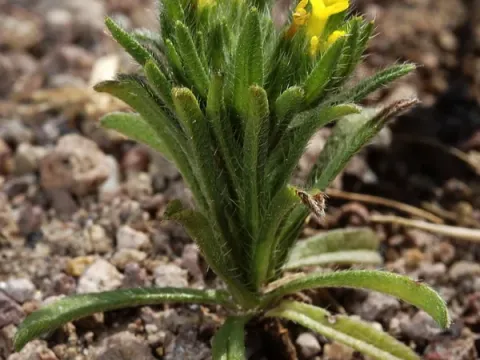
Neatostema
Neatostema
Neatostema is a genus of herbaceous plants belonging to the Boraginaceae family. In an agricultural and botanical sense, it is primarily recognized for its ability to thrive in harsh environments, making it a subject of interest for specialized cultivation in arid regions.
What the section contains

Neatostema
The plant originates from the Mediterranean basin. Its natural distribution is linked to rocky slopes and dry, open landscapes where other crops would struggle to establish a healthy root system due to nutrient deficiency or water scarcity.
Botanically, the plant is characterized by its rough, hairy leaves and stems, which serve as a protective barrier against extreme solar radiation and desiccation. This xerophytic adaptation is a key feature in its survival strategy.
Soil requirements for Neatostema are specific: it mandates excellent drainage. The plant is intolerant to waterlogged soils, which can lead to rapid decay of the root system. Ideal conditions include rocky, calcareous, or sandy substrates with low organic matter content.
Climatic adaptability is one of the plant's main strengths. It thrives in high temperatures and tolerates significant diurnal fluctuations in temperature, making it a resilient candidate for fields where irrigation is limited or non-existent.
The primary threats to Neatostema cultivation are linked to moisture management. Fungal pathogens, particularly those causing root rot, flourish in poorly drained soils. Preventing soil compaction is essential to mitigate these risks.
Insect pests such as leaf-eating beetles can cause significant defoliation during the vegetative growth phase. Regular scouting is required to prevent widespread damage to the foliage, which is vital for the plant's carbohydrate synthesis.
Weed competition is a major factor during the establishment phase. As a relatively slow-growing plant, Neatostema requires a clean seedbed to avoid being overtaken by fast-growing opportunistic weeds that compete for light and nutrients.
In humid microclimates, powdery mildew can become a persistent issue. Ensuring adequate spacing between plants to allow for airflow is the most effective cultural practice for disease control.
Virus transmission via vectors like aphids represents a hidden threat. Effective perimeter management and the removal of host weeds surrounding the cultivation area are recommended strategies to reduce the prevalence of these pests.