
Myosotis lamottiana
Myosotis lamottiana
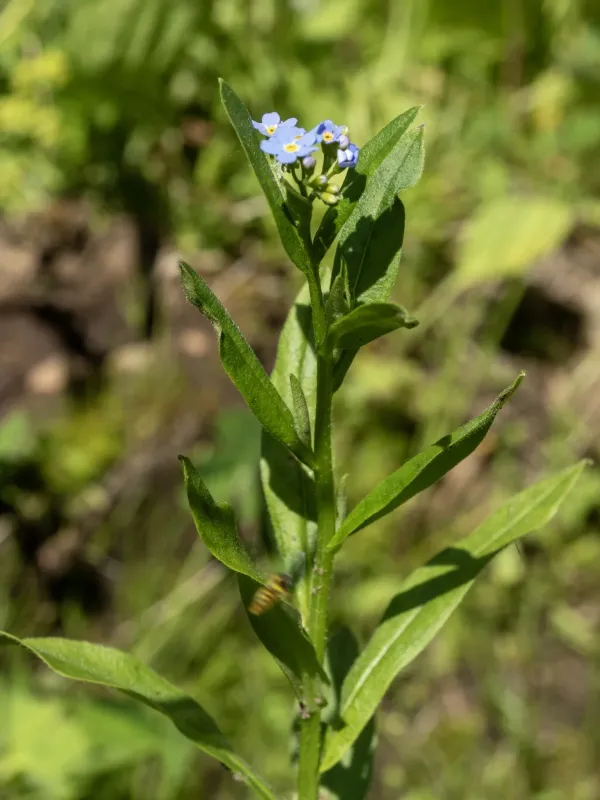
Description
Growing requirements
Myosotis lamottiana, belonging to the Boraginaceae family, is a herbaceous perennial plant known for its specific ecological niche. It originated in European mountain ranges, which shaped its resilience to temperate climate conditions.
The plant thrives in cool environments, preferring spots that provide protection from direct midday sun. It is well-suited for high-altitude gardens or shaded areas where temperature extremes are minimized throughout the growing season.
Soil requirements are relatively specific: the plant demands well-drained, fertile soil rich in organic matter. While it enjoys moisture, it cannot tolerate waterlogged conditions, which can be detrimental to its root system.
Agronomic management involves regular monitoring of soil moisture and careful placement within the landscape. Mulching is often recommended to maintain soil temperature and humidity, especially in lighter soil types.
In terms of agricultural use, this species is primarily valued in ornamental floriculture. Its ability to form dense clusters makes it an excellent choice for ground-cover applications and alpine landscape designs.
Main diseases and pests
The primary pathological threats to Myosotis lamottiana include various fungal infections, most notably powdery mildew. This pathogen develops rapidly in humid, poorly ventilated environments.
Common pests such as aphids and spider mites are frequent nuisances. They feed on the succulent tissues of the plant, potentially causing stunted growth and leaf discoloration if left unmanaged.
To prevent disease outbreaks, gardeners should ensure adequate spacing between plants to improve airflow. This practice effectively reduces the humidity levels around the foliage, inhibiting fungal growth.
Integrated pest management strategies are advised, including the use of horticultural oils or targeted biological controls to manage aphid populations without harming beneficial pollinator insects.
Routine scouting is essential to identify early signs of infestation. Removing affected plant parts promptly can prevent the spread of diseases and pests throughout the entire cultivation plot.