
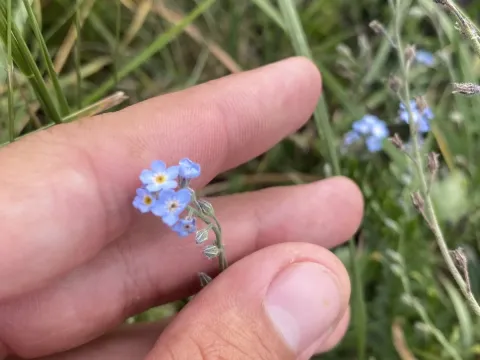
Myosotis lithospermifolia
Myosotis lithospermifolia
Myosotis lithospermifolia is a member of the Boraginaceae family. This perennial herbaceous plant is native to mountain habitats, showing high resilience to cool and temperate climatic conditions.
What the section contains
Myosotis lithospermifolia
The cultivation of this species requires well-drained, nutrient-rich soils with a neutral pH. It thrives in shaded or semi-shaded environments, avoiding direct intense solar radiation which may stress the foliage.
Botanically, the plant is characterized by a compact rosette and slender racemes, which are typical features for this genus. It is adapted to survive cold winters by entering a period of dormancy.
Water requirements remain moderate throughout the growing season. It is crucial to maintain steady soil moisture, preventing both waterlogging, which causes root decay, and complete drought.
Good agricultural practice requires consistent weeding to minimize resource competition. The addition of organic matter to the soil promotes stronger root development and better overall plant health.
Powdery mildew is the most common fungal threat, particularly in environments with poor air circulation or high relative humidity levels, leading to white coating on the leaves.
Root rot is a significant risk, especially if the soil lacks proper drainage. Excess moisture encourages the proliferation of soil-borne pathogens that destroy the root system.
Slugs and snails pose a threat during damp weather, as they frequently feed on the tender foliage of the plant. Barriers or traps are often used as a standard control measure.
Aphids can infest the inflorescences, causing curling and stunted growth. Monitoring the plants during the spring bloom is vital for early detection and mitigation.
Spider mites might become a concern during dry, hot spells. Increasing ambient humidity around the plants is often the best preventative strategy against these small pests.