
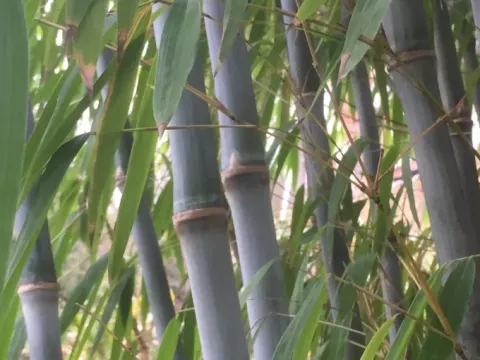
Borinda
Borinda
Borinda is a genus of perennial evergreen plants belonging to the Poaceae family, subfamily Bambusoideae. These plants are known for their clumping growth habit, which sets them apart from the running, invasive bamboo species that can quickly take over garden spaces.
What the section contains
Borinda
Originating from the mountainous regions of the Himalayas and Western China, Borinda thrives in cooler climates. These plants are highly valued in landscape architecture for their graceful, upright stems and dense foliage that provides year-round aesthetic appeal.
The cultivation requirements for Borinda emphasize well-drained, fertile soil rich in organic matter. They perform best in soils with a slightly acidic to neutral pH level, which allows for optimal nutrient uptake and promotes vigorous development of the rhizome system.
Climate conditions are crucial, as Borinda prefers moderate temperatures and high humidity levels. While some species show significant cold hardiness, they generally require protection from desiccating winter winds, which can easily damage the evergreen leaves and stems.
Proper agronomic management involves consistent moisture levels, especially during the active growing season. Mulching is recommended to stabilize soil temperature and retain moisture, alongside the application of balanced nitrogen-rich fertilizers to support the rapid spring surge of new growth.
Fungal diseases, such as leaf rust and powdery mildew, represent common threats to Borinda, especially when plants are grown in poor light conditions or areas with stagnant air circulation. Monitoring the foliage periodically helps in early detection of infection.
Pests like spider mites and aphids are known to target Borinda, particularly in hot and dry weather. These insects can significantly weaken the plant if left unchecked, leading to leaf yellowing and a general decline in the plant's health.
Scale insects can occasionally infest the stems, requiring manual removal or systemic treatment if the infestation becomes heavy. Maintaining healthy, well-hydrated plants is the best natural defense against these pests.
Root rot is the primary physiological disorder caused by over-watering or poorly drained soil. Once the root system is compromised, recovery is challenging, making proper site selection and drainage preparation a critical first step in planting.
Sanitation is a vital aspect of pest and disease control. Removing dead or damaged culms during the dormant season ensures that the plant remains healthy, improves overall aeration within the cluster, and minimizes potential habitats for pests.