
Myosotis incrassata
Myosotis incrassata
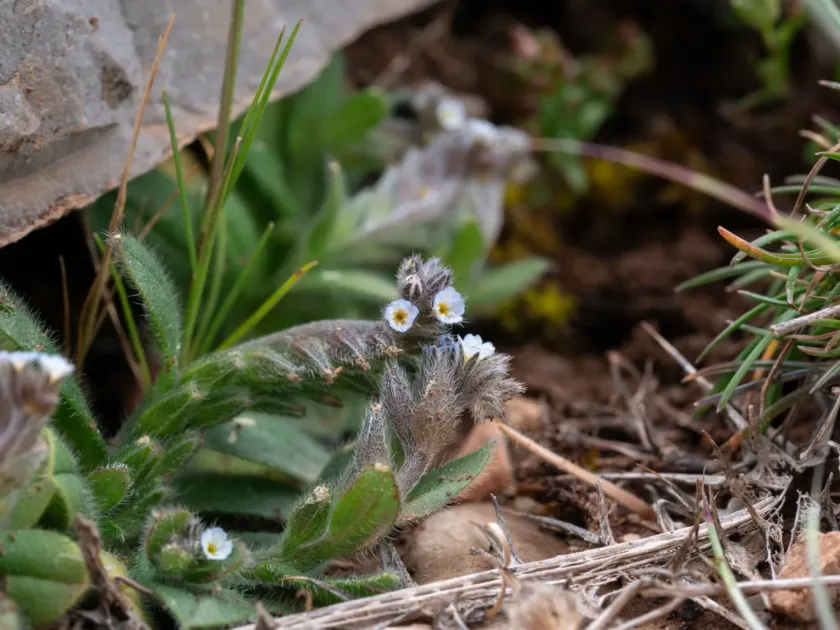
Description
Sowing dates
Myosotis incrassata is a botanical species belonging to the Boraginaceae family. It is recognized for its specific habitat preferences, typically found in localized regions within Europe.
The optimal sowing time is during the autumn season, allowing the seeds to undergo a natural period of cold stratification, which is essential for uniform germination.
In a controlled greenhouse environment, seeds can be sown in early spring using a well-draining, sterile peat-based mix to prevent fungal infections during the sprout phase.
When sowing, seeds should be surface-sown or barely covered with a fine layer of substrate, as light is a crucial trigger for their physiological development.
Establishing the correct spacing is vital; the final distance between plants should be approximately 20 cm to avoid competition for nutrients and water.
Growing requirements
This species thrives in moist, well-aerated soils that are rich in organic matter, reflecting its preference for woodland margins and damp meadows.
The plant performs best in locations that offer partial shade, avoiding the intense heat of direct midday sun which can stress the foliage and shorten the lifecycle.
Soil pH should ideally be neutral or slightly acidic; extreme shifts in soil chemistry can lead to nutrient deficiencies and weakened plant vigor.
Consistent moisture management is critical throughout the vegetative cycle, though the grower must ensure adequate drainage to prevent root rot in heavier soil types.
Minimal fertilization is required; a light application of balanced liquid fertilizer during the early growth stage is sufficient to support healthy bloom development.
Main diseases and pests
The primary threats to Myosotis incrassata include powdery mildew, which often develops in stagnant air conditions or during periods of high humidity.
Slugs and snails present a significant risk to young, succulent sprouts and must be managed using physical barriers or eco-friendly deterrents.
Aphid infestations can occur during dry spells; these pests primarily target the flower spikes, necessitating prompt identification and localized treatment.
Fungal root diseases can emerge if the soil remains waterlogged for extended periods, making proper site selection and drainage preparation essential.
- Ensure good air circulation between plants.
- Monitor for early signs of leaf discoloration.
- Remove infected plants immediately to prevent pathogen spread.