
Pterocaulon sphacelatum
Pterocaulon sphacelatum
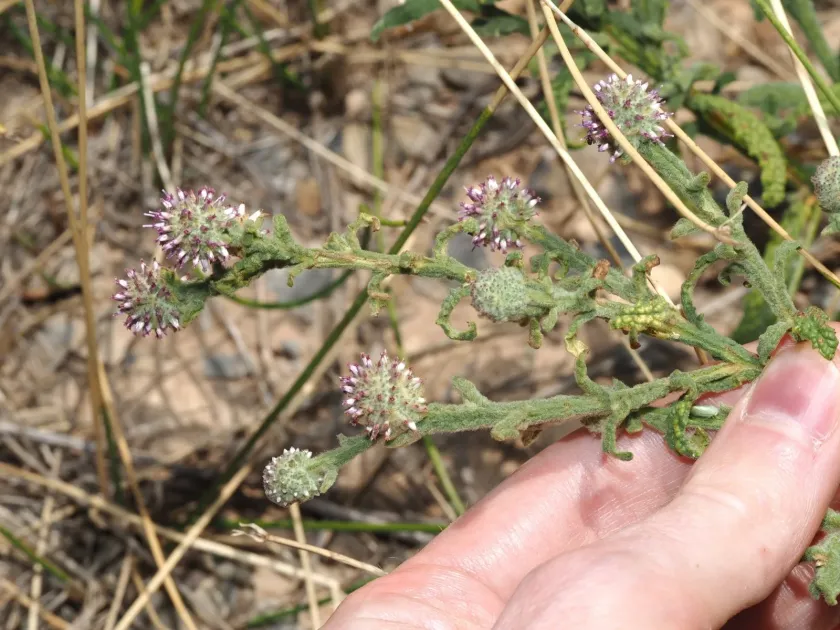
Description
Sowing dates
Pterocaulon sphacelatum is typically propagated through seeds in warm, well-lit environments. Sowing should coincide with the beginning of the frost-free season to ensure optimal growth rates.
Seeds should be sown very thinly on the surface of the soil, as light is a critical trigger for germination. Covering them with a light layer of sand can help maintain moisture without blocking sunlight.
Consistent, light watering is essential for the first few weeks after sowing. Over-watering must be avoided, as it can cause the small seeds to wash away or rot in the substrate.
Spacing should be managed to allow for the future width of the plant. A distance of at least 50 centimeters between individual plants is recommended for proper air circulation.
For commercial production, seedling trays are often used to start the plants before transplanting them into the field. This allows for a more controlled environment and higher success rates.
Growing requirements
Pterocaulon sphacelatum, a member of the Asteraceae family, is native to arid and semi-arid regions of Australia. It is highly adapted to extreme temperature fluctuations and long dry spells.
The plant thrives in well-draining, sandy or rocky soils. It is critical to provide a substrate that prevents water from accumulating around the root system, as the species is prone to root rot.
Full sun exposure is a fundamental requirement for the development of the plant's aromatic compounds. It does not tolerate shade well, as reduced light levels lead to elongated, weak stems.
The species is drought-tolerant, meaning it can survive with minimal intervention once established. Supplemental irrigation is only necessary during the initial stages of growth or during extreme heat.
Soil pH should ideally be neutral or slightly acidic. Providing a balanced, slow-release fertilizer can improve biomass production if the plant is grown for essential oil or traditional use.
Main diseases and pests
Fungal pathogens represent the most significant threat to this crop. Excessive humidity combined with stagnant air creates an ideal environment for the growth of molds and rots that attack the base of the stem.
Insect pests, including aphids and whiteflies, can cluster on the tender tips of the plants, especially during the spring. Early detection is essential to prevent infestations from spreading throughout the planting.
Weed management is a priority, as Pterocaulon sphacelatum is a relatively slow grower when young and can easily be outcompeted by aggressive grasses or other weeds.
Root-knot nematodes can potentially impact growth in sandy soils. Using pathogen-free soil or crop rotation strategies is advised for maintaining long-term field health.
- Root rot caused by Phytophthora species
- Infestation of sucking insects during vegetative growth
- Competition from invasive weeds during the establishment phase
Harvesting
The harvesting process depends on the intended end-use of the plant, whether it is for dried material or aromatic extraction. Harvesting usually occurs when the plant reaches maturity and begins to flower.
Stems should be cut cleanly to encourage secondary growth. Hand-harvesting is preferred to ensure that only the highest quality foliage is collected without damaging the base of the plant.
For essential oil production, the best time to harvest is during the hottest part of the day, as this is when the concentration of volatile oils in the leaves is at its peak.
Post-harvest handling is critical. Material should be dried in a well-ventilated, shaded area to preserve the integrity of the aromatic compounds and prevent fungal growth.
Proper drying is complete when the leaves become brittle and easily separated from the stems. After drying, the material should be stored in airtight containers away from direct sunlight.