
Pterocaulon virgatum
Pterocaulon virgatum
Description
Growing requirements
Pterocaulon virgatum, commonly known as a member of the Asteraceae family, is a perennial herb recognized for its resilience and specific chemical profile. The plant typically grows in open savannas and forest edges throughout tropical Americas.
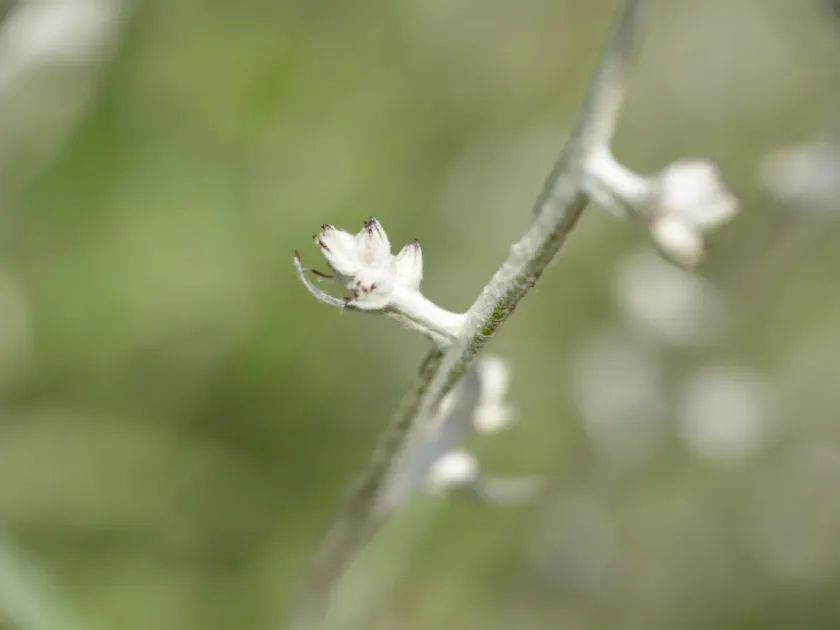
The morphology of the plant includes a distinct upright stem covered with dense, soft hairs. This adaptation is crucial for maintaining internal water balance and protecting the plant from intense solar radiation in its native habitat.
Environmental requirements for this crop focus on well-draining soils with adequate sunlight exposure. It thrives in sandy-loam conditions and generally does not tolerate waterlogging, which significantly impairs root development.
Climate conditions should be tropical or subtropical, ensuring a consistent thermal regime throughout the growing season. While it is hardy, extreme frost can be detrimental to the plant's vegetative parts.
Economic uses are primarily focused on the pharmaceutical industry, where researchers explore its potential as a source of secondary metabolites. Its traditional use involves infusion of the leaves for various health benefits.
Main diseases and pests
The primary agricultural threats to Pterocaulon virgatum include fungal pathogens such as powdery mildew, especially during the high-humidity seasons when air circulation is limited.
Common pests include mites and aphids that target the tender leaves, sap-sucking insects that cause growth retardation and can transmit secondary infections.
Management strategies include proper field sanitation, maintaining optimal plant spacing, and the application of integrated pest management (IPM) practices to minimize chemical residues.
Weed management is vital during the early establishment phase, as the crop can easily be outcompeted by aggressive grasses that occupy the same ecological niche.
Farmers are advised to implement regular scouting programs to detect early signs of fungal colonies or pest outbreaks, ensuring a timely intervention to preserve yield quality.