
Pterocaulon rugosum
Pterocaulon rugosum
Description
Growing requirements
Pterocaulon rugosum is a perennial herbaceous plant belonging to the Asteraceae family. Native to South American regions, this species is well-adapted to savanna-like environments and open, sun-drenched landscapes.
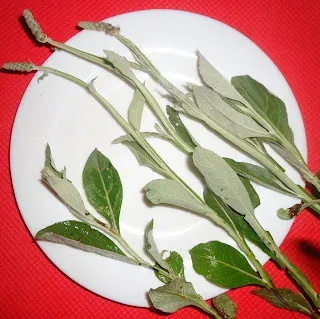
Botanically, it is identified by its distinctively wrinkled leaves and dense pubescence covering the stems. These traits serve as evolutionary adaptations, allowing the plant to minimize water loss under intense solar radiation.
Regarding soil requirements, the plant thrives in well-drained, sandy, or loamy soils. It requires a pH balance that ranges from neutral to slightly acidic and does not tolerate soil compaction or waterlogging.
The climate must be warm and consistent, with sufficient light intensity throughout the growing season. While the species is drought-tolerant, optimal growth is achieved in regions with balanced seasonal rainfall patterns.
Agricultural use focuses on its phytochemical properties. The plant is traditionally harvested for its aromatic and medicinal compounds, which have been historically utilized in various local health practices.
Main diseases and pests
The primary threat to Pterocaulon rugosum is root rot, triggered by inadequate drainage and excessive soil moisture. Proper bed elevation is essential to prevent moisture accumulation near the crown.
Pests such as aphids and spider mites are known to inhabit the dense hair on the leaves. Integrated pest management strategies, focusing on biological control, are recommended to protect the crop.
Fungal pathogens like powdery mildew can affect the foliage during periods of stagnant, humid air. Maintaining plant spacing that ensures good airflow is a vital preventative measure for commercial growers.
Soil-dwelling larvae can damage the roots during the seedling stage. Periodic scouting and the use of organic soil amendments can help minimize the pressure from subterranean insects.
Competition from fast-growing weeds can stunt initial development. Weed management is critical during the establishment phase, ideally managed through mechanical hoeing or organic mulching.