
Pterocaulon undulatum
Pterocaulon undulatum
Description
Growing requirements
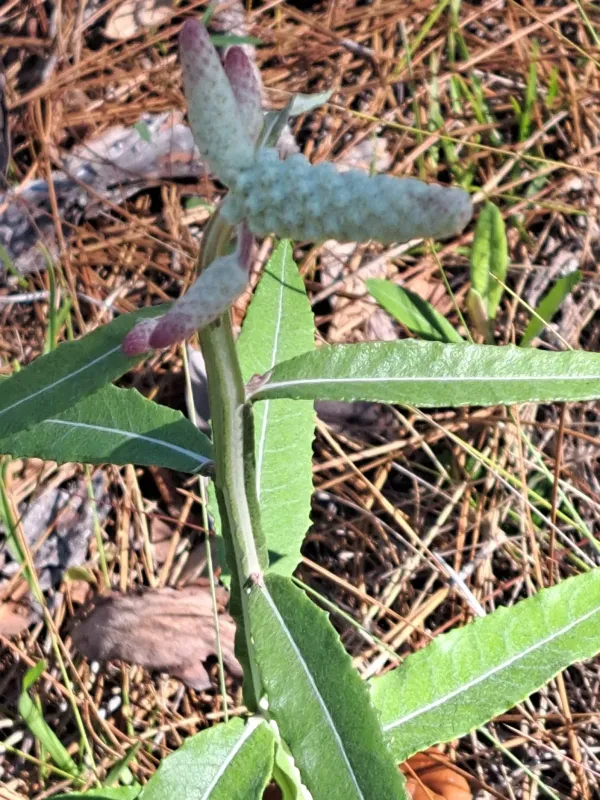
Pterocaulon undulatum is a distinct perennial herb belonging to the Asteraceae family. The plant is botanically recognized by its erect, dense, grayish tomentose stems and leaves with prominently undulate (wavy) margins. This structural adaptation serves as a defense mechanism against excessive water loss in its natural habitat.
Originating from South America, specifically regions in Brazil, this species is well-adapted to tropical and subtropical climates. It thrives in well-lit environments and requires significant solar radiation to maintain its characteristic vegetative structure. The plant is notably resilient to poor soil conditions but prefers well-draining substrates.
Agronomic management of this crop requires strict attention to drainage, as the roots are highly susceptible to saturation. The optimal soil profile should be sandy or loamy with a neutral to slightly acidic pH range. During the early development stages, protection from excessive wind and moisture is essential for strong root establishment.
In terms of agricultural practice, fertilization should be balanced, focusing on maintaining trace element availability. Due to the fine pubescence on the foliage, the use of chemical pesticides should be approached with caution, as it can adversely affect the plant's surface integrity. Integrated pest management (IPM) is highly recommended for this culture.
The economic significance of Pterocaulon undulatum lies in its secondary metabolite profile, which contains bioactive compounds used in traditional and potential modern phytomedicine. Ongoing research explores its efficacy as an antioxidant and anti-inflammatory source, making it a valuable subject for sustainable botanical agriculture.
Main diseases and pests
The primary threats to Pterocaulon undulatum include various fungal infections, particularly root rot, which occurs in poorly drained soils. Furthermore, the foliage is susceptible to spider mites and aphids, which thrive in the protected environment offered by the plant's dense hair covering. Regular scouting and preventative sanitation are crucial for crop health.