
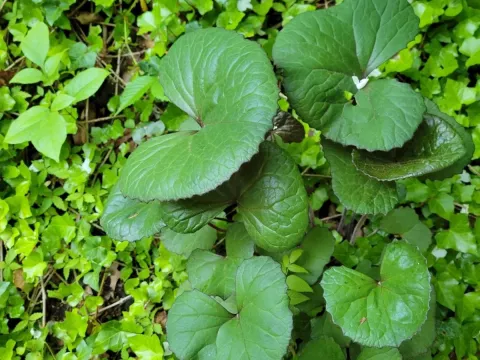
Ligularia
Ligularia Cass.
Ligularia (Ligularia Cass.) is a genus of herbaceous perennial plants belonging to the Asteraceae family. Originating primarily from the temperate regions of Asia, these plants are naturally found in wet, shaded habitats like riverbanks and moist meadowlands.
What the section contains
 Hesse's leopard plant
Ligularia xhessei (Hesse) Bergmans
Hesse's leopard plant
Ligularia xhessei (Hesse) Bergmans
 Ligularia dentata
 (A. Gray) H. Hara
Ligularia dentata
Ligularia dentata (A. Gray) H. Hara
 Ligularia fischeri
 Turcz.
Ligularia fischeri
Ligularia fischeri (Ledeb.) Turcz. x Ligularia stenocephala (Maxim.) Matsum. & Koidz.
Ligularia fischeri
Ligularia fischeri Turcz.
Ligularia fischeri
Ligularia fischeri (Ledeb.) Turcz. x Ligularia stenocephala (Maxim.) Matsum. & Koidz.
 Ligularia przewalskii
 (Maxim.) Diels
Ligularia przewalskii
Ligularia przewalskii (Maxim.) Diels
 Narrow-headed leopard plant
Ligularia stenocephala (Maxim.) Matsum. et Koidz.
Narrow-headed leopard plant
Ligularia stenocephala (Maxim.) Matsum. et Koidz.
Ligularia
To cultivate Ligularia successfully, one must replicate its native moisture-rich environment. The plants thrive in partial shade, as exposure to intense direct sunlight can lead to leaf scorching and rapid wilting of their large, attractive foliage.
The ideal growing medium is a rich, heavy soil that retains moisture effectively without becoming waterlogged. High organic content is essential for healthy vegetative growth, making fertile, humus-rich loams the preferred choice for gardeners and landscapers.
Agricultural management requires consistent irrigation, particularly during summer months. Mulching the base of the plants is a recommended practice to stabilize soil temperature and prevent surface evaporation, which helps maintain the required hydration levels.
While the genus is generally hardy, it benefits from proper maintenance during dormant phases. Preparing the soil and providing minimal winter protection in colder zones ensures the longevity and vigor of the root system for the next growing season.
Slugs and snails are the most prominent pests for Ligularia. These mollusks are particularly fond of the plant's soft, broad leaves, necessitating regular monitoring and the use of physical barriers or targeted molluscicides during the growing season.
Powdery mildew represents a common fungal threat, often triggered by stagnant air and high humidity in overcrowded planting sites. Improving airflow and maintaining proper spacing between plants is the most effective preventative measure.
Root rot, often associated with poorly drained soils or excessive irrigation, can damage the plant's health. Improving soil structure through the addition of organic amendments can help manage water retention while ensuring necessary drainage.
Aphids occasionally infest the developing flower spikes, drawing energy away from the plant. Timely intervention with soap-based sprays or systemic insecticides is advised to prevent damage to the aesthetic quality of the blooms.
Sanitation practices, such as removing dead foliage at the end of the season, are critical for disease prevention. Reducing the habitat for spores and pests helps maintain a healthy ecosystem for the cultivation of this species.