
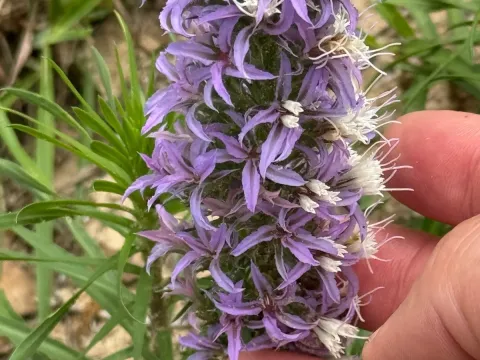
Liatris
Liatris Gaertn. ex Schreb.
The propagation of Liatris is most commonly achieved through seed sowing or the division of corms. Seeds are sown in open soil either in late autumn or in early spring, once the soil temperature consistently reaches 10-12 degrees Celsius.
What the section contains


Liatris
For early seedling production, seeds are sown in trays during March, requiring a stratification period to improve germination rates. The optimal planting depth for seeds is 1-2 centimeters, ensuring the sprouts have sufficient energy to reach the surface.
Vegetative propagation via corm division is the most effective method for maintaining specific cultivar traits. This process should be carried out in early autumn or spring, carefully separating mature clumps into smaller sections that contain visible growth buds.
When planting corms in the field, it is crucial to maintain a spacing of 20 to 30 centimeters between individual plants. This ensures each specimen has adequate access to nutrients and prevents resource competition during the active growth phase.
As a perennial species, Liatris reaches its full ornamental potential only in the second or third year after establishment. Young plants require consistent watering and vigilant weed control during their first season to ensure robust development.
Liatris belongs to the Asteraceae family and is native to the prairies of North America. The plant thrives in well-lit areas, as shade causes stems to become excessively leggy, reducing both aesthetic value and physical stability.
For optimal health, the crop requires light, well-draining soil with a neutral to slightly acidic pH. Waterlogging is detrimental to Liatris corms, as it frequently triggers root rot and can destroy the entire plantation if not managed correctly.
The plant exhibits high cold hardiness and can easily withstand harsh winters if provided with a minimal protective layer of snow. It adapts well to temperature fluctuations, making it an excellent choice for a variety of temperate climatic zones.
Irrigation should be moderate; while Liatris is relatively drought-tolerant, it requires supplemental watering during prolonged dry spells. If planted in heavier clay soils, installing a drainage layer is an essential prerequisite for success.
Mineral fertilizers should be applied three times per growing season: early spring for vegetative growth, at the start of the budding phase, and after flowering to support nutrient storage for the winter dormancy period.
Root rot is the most significant threat to Liatris, usually caused by excessive soil moisture. Affected plants exhibit yellowing foliage, and upon inspection, the corms are often found to be soft and carry a distinct, unpleasant odor.
Common pests include mole crickets and various larvae that can damage the plant's underground structures. Implementing crop rotation and performing regular shallow cultivation around the base of the plant are effective preventive measures.
In humid conditions, Liatris may succumb to powdery mildew, characterized by a white, flour-like coating on the leaves. Management strategies include the immediate removal of infected foliage followed by an application of systemic fungicides.
During the winter, unprotected corms may attract rodents such as field mice. Using protective mesh or site selection away from rodent nesting areas can significantly reduce the risk of crop damage during the dormant months.
Maintaining high sanitary standards by removing plant debris at the end of the season is critical for disease prevention. Using clean, disease-free planting material is the best foundation for long-term productivity and health.
Harvesting Liatris for cut flower production should occur when approximately half of the florets on the spike have opened. Cutting is best performed in the cool morning hours to ensure the stems are fully turgid and hydrated.
Cut Liatris stems are highly valued in the floral industry for their longevity, often remaining fresh in a vase for up to two weeks. This durability makes them a commercially viable crop for professional floriculture and floral arrangements.
For seed collection, inflorescences should be left on the stalks until the seed pods have fully matured. It is essential to wait for the stem to turn yellow, which indicates the completion of nutrient translocation back into the storage organs.
If the goal is to multiply the stock, corms should be dug up in autumn after the first frost, once the foliage has withered naturally. These should be stored in a cool, dry environment, preferably packed in peat or sand.
Proper harvest techniques and post-harvest handling of planting stock are vital for ensuring survival rates in the following year. Careful timing minimizes potential yield losses and promotes the continued vigor of the Liatris population.