
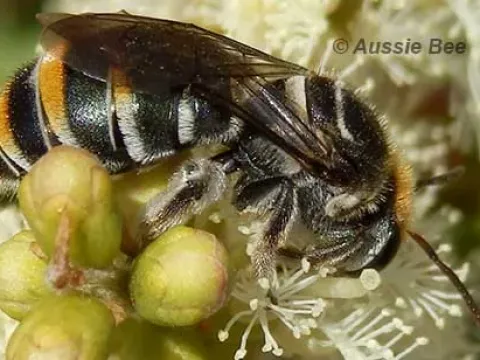
Lipotriche
Lipotriche
Lipotriche is a genus of flowering plants belonging to the Asteraceae family, characterized by significant botanical diversity and ecological adaptability.
What the section contains

Lipotriche
Optimal sowing time typically falls in the spring season when the risk of night frosts has passed and the soil temperature reaches at least 15 degrees Celsius.
Proper seed preparation, including surface disinfection and priming, significantly increases field germination rates and ensures a uniform stand of the crop.
The recommended planting density is established based on the intended use, varying from dense rows for forage production to wider spacing for individual plant growth.
During the initial stages of development, maintaining consistent soil moisture is crucial for the establishment of the root system and plant vigor.
These plants thrive in well-drained, fertile soil, ideally with a neutral pH, which allows for optimal uptake of nitrogen, phosphorus, and potassium.
Lipotriche exhibits strong phototropic traits, requiring full sun exposure to maximize photosynthetic efficiency and overall biomass production throughout the season.
While the plant is somewhat drought-tolerant, supplemental irrigation during peak growth periods is essential to prevent wilting and promote continuous flowering.
Soil cultivation, such as inter-row hoeing, is highly beneficial for improving soil aeration and moisture retention, which facilitates deep root penetration.
Strategic fertilization programs focusing on micronutrients can significantly enhance the stress resistance and nutritional quality of the plant tissue.
The most common pest challenges include aphids and spider mites, which can cause significant damage to young leaves and stems if not monitored regularly.
Fungal diseases, such as powdery mildew or rust, can emerge in environments with poor ventilation or high humidity levels, requiring careful management.
Integrated pest management (IPM) strategies, including the use of beneficial insects and crop rotation, are recommended to maintain plant health.
Root rot caused by pathogens in waterlogged soils is a critical threat, underscoring the importance of selecting well-draining fields for cultivation.
Regular field scouting is the most effective approach to detect early signs of infestation and prevent large-scale outbreaks within the crop population.