
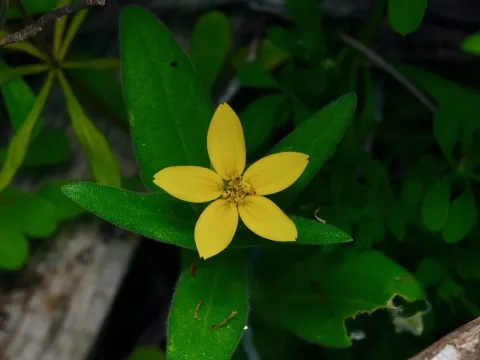
Lindheimera
Lindheimera
Lindheimera, commonly represented by the species Lindheimera texana, is an annual herb within the Asteraceae family. Sowing should commence in early spring once all risks of frost have passed, as the plant thrives in warm, stable environmental conditions.
What the section contains

Lindheimera
Due to the small size of the seeds, they require a shallow sowing depth, barely covering them with a light layer of soil or sand. Exposure to direct sunlight is often beneficial for germination, so maintaining a clear surface is recommended.
For those in cooler climates, starting seeds indoors in trays 6 to 8 weeks before the last frost date is the preferred method. This allows for a stronger start and ensures the plants have sufficient time to mature during the growing season.
Transplanting should be conducted with care to avoid disturbing the root system. Once true leaves develop, thinning or moving the seedlings to individual pots encourages more robust growth before moving them to the final garden beds.
Hardening off the seedlings is a crucial step before final planting in the field. Gradually exposing the plants to outdoor temperatures and light conditions over a week prevents transplant shock and ensures better survival rates.
Lindheimera is adapted to well-drained, sandy or loamy soils. It naturally favors sites with excellent drainage, as the primary constraint to its growth is waterlogging, which often leads to root damage and eventual plant failure.
Full sun exposure is a requirement for this crop to reach its full potential. While it can handle partial shade in extremely hot climates, consistent sunlight is necessary to promote the dense floral display characteristic of the species.
The plant is known for its remarkable drought tolerance once established. Supplemental irrigation is only necessary during prolonged dry spells; otherwise, natural precipitation is typically sufficient for healthy development.
Soil pH should ideally be neutral or slightly alkaline. In areas with highly acidic or clay-heavy soils, amendments such as compost or grit should be incorporated to improve texture and adjust the chemical composition for better nutrient uptake.
Minimal fertilization is usually sufficient. Over-application of high-nitrogen fertilizers is counterproductive, as it encourages excessive vegetative growth rather than the vibrant, prolific flowering desired in this agricultural context.
Root rot is the most significant pathological threat to Lindheimera, typically caused by overly frequent watering or poor soil structure. Proper site selection and avoiding heavy, moisture-retaining soils are the best preventive measures.
Powdery mildew may manifest as a white, dusty coating on foliage during periods of high humidity and poor air circulation. Increasing plant spacing and removing affected leaves can help mitigate the spread of this fungal condition.
Aphids and spider mites are the most common insect pests that target the plant's soft tissues. Regular inspection of the underside of leaves is necessary to catch infestations early, allowing for the application of soap-based sprays.
Soil-dwelling insects can pose a threat to young seedlings. Protective measures, including targeted biological controls or appropriate soil treatments during planting, help prevent significant population losses in the field.
Good cultural practices, such as maintaining cleanliness around the beds and ensuring adequate space between plants, are vital. These strategies prevent the establishment of diseases and provide the plants with the airflow needed to remain healthy.