
Linzia
Linzia
Linzia is a genus of flowering plants within the Asteraceae family. Long confused with the Vernonia genus, Linzia has been taxonomically distinct due to specific morphological characteristics of the florets and overall plant structure.
What the section contains


Linzia
The native range of Linzia spans across the African continent, primarily in savanna ecosystems and woodland habitats. These plants have evolved to survive in environments that experience periodic rainfall and high annual temperatures.
Cultivation of Linzia requires full sun exposure to maintain compact growth and promote profuse flowering. The soil should be well-drained and slightly acidic to neutral; heavy, waterlogged soils can lead to root system failure and stunted development.
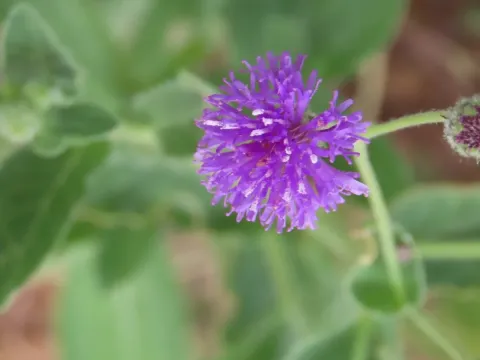
Botanically, these plants exhibit alternate, often serrated leaves and terminal inflorescences. The flowers are arranged in heads, typically displaying vivid shades of purple, which attract various pollinators in their natural habitat.
In terms of agricultural management, regular pruning helps maintain the plant's shape and encourages new growth. While the plant is drought-tolerant once established, supplemental irrigation during the peak growing season significantly improves the overall vigor.
The most common disease affecting Linzia is powdery mildew, which appears as white fungal patches on the foliage. This condition is most prevalent in environments with high humidity and stagnant air circulation.
Aphids and spider mites are the primary pests that pose a threat to the health of the plants. These pests feed on the underside of the leaves and tender stem tips, weakening the plant and potentially vectoring viral diseases.
Effective management involves the application of horticultural oils or specialized insecticides during the early stages of infestation. Preventive measures include ensuring proper spacing between plants to maximize airflow and reduce moisture levels around the foliage.
Root rot, often caused by pathogens like Phytophthora or Pythium, can be fatal if the drainage is inadequate. Managing the soil moisture levels is the most effective preventative strategy against these types of soil-borne diseases.
Maintaining a clean cultivation area by removing debris and weeds prevents the buildup of fungal spores and pest reservoirs. A proactive approach to monitoring and integrated pest management is essential for long-term health.