
Ligularia fischeri
Ligularia fischeri Turcz.
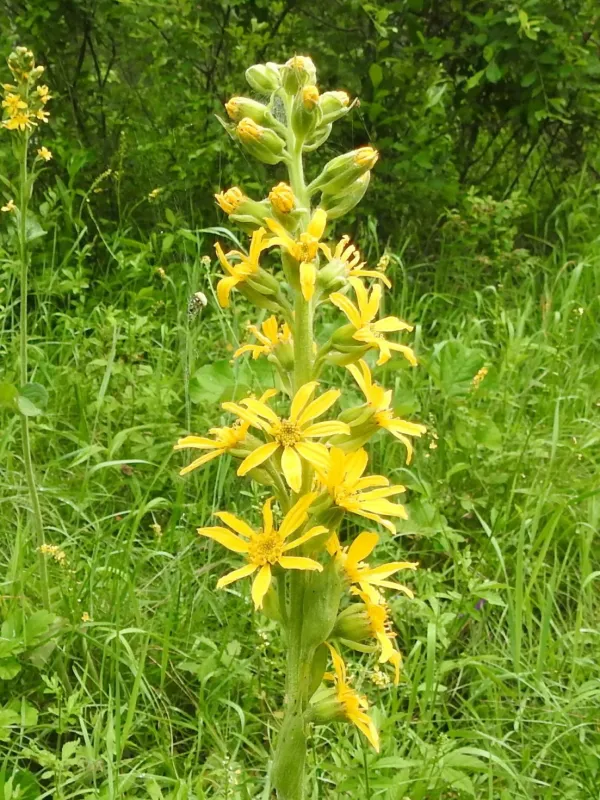
Description
Sowing dates
Sowing Ligularia fischeri seeds is best performed in late autumn for winter stratification or in early spring after the seeds have undergone a cold treatment period of at least two months to break dormancy.
When transplanting seedlings, it is crucial to wait until the danger of spring frost has passed, typically in May. Seeds should be planted at a shallow depth of 1–2 centimeters to ensure proper germination in moist soil conditions.
Vegetative propagation by division is recommended for maintaining consistent plant quality. This process is best executed in early spring or late summer once the plants have finished their main flowering cycle.
The planting spacing should be generous, with 60–80 centimeters between individual plants. This distance allows for the expansion of the broad leaf canopy and prevents competition for soil nutrients and water.
Young plantings benefit from mulching with organic matter such as compost or leaf mold. This practice not only retains essential soil moisture but also suppresses weed growth around the young root systems during the establishment phase.
Growing requirements
Ligularia fischeri belongs to the Asteraceae family and is native to the moist, mountainous regions and riverbanks of East Asia. It thrives in humid environments and requires consistent moisture throughout the growing season.
The ideal soil for this crop is a nutrient-rich, loamy type with a neutral to slightly acidic pH. The plant prefers partial shade, as intense direct sunlight can scorch the leaves and significantly stress the root system during summer.
Optimal temperatures for development range between 15°C and 22°C. The species is highly cold-hardy, well-adapted to the variable climate conditions found in its natural habitat across Northeastern Asia and Siberia.
Management practices include maintaining consistent soil moisture through regular irrigation and keeping the site free from competing weeds. The plant's root system is shallow, so cultivation around the base should be kept to a minimum.
In terms of agricultural utility, the crop is valued for its pharmacological compounds and as a traditional food source in some regions. Therefore, keeping the soil free from heavy chemical contaminants is essential for high-quality production.
Main diseases and pests
Slugs and snails represent the most significant threat to Ligularia fischeri, particularly during damp weather. Protective measures such as physical barriers or environmentally safe bait can effectively manage these pests.
Powdery mildew is a common fungal infection occurring when plant density is too high or air circulation is restricted. Pruning for better airflow and proper spacing are primary strategies for preventing outbreaks.
Root rot can occur if the soil drainage is inadequate. Ensuring that the planting site has good structure and does not hold standing water is essential for the long-term health and vitality of the stand.
Aphids might colonize the flower stalks during periods of extreme heat, potentially reducing yield and plant vigor. Biological control methods or insecticidal soaps are recommended for targeted pest management.
Overall, Ligularia fischeri is a resilient perennial, provided the environment mimics its natural forest-edge habitat. Regular observation of foliage health will help in the early detection and treatment of potential issues.
Harvesting
Medicinal harvest of leaves is performed during the peak flowering period, as this is when the concentration of secondary metabolites is at its highest. Sharp, sanitized tools should be used for cutting to prevent disease transmission.
Rhizomes intended for use should be harvested in late autumn after the foliage dies back or in early spring before growth initiates. The harvest must be handled carefully to avoid damaging the buds for the following year.
After collection, the material requires thorough cleaning and prompt drying. Drying should occur in a well-ventilated area with temperatures kept under 45°C to preserve the integrity of the chemical compounds.
Young shoots are harvested in the early spring for culinary use. These parts are typically blanched or cooked to neutralize the natural bitterness, ensuring they are suitable for consumption as a vegetable green.
Stored raw materials should be kept in airtight containers away from light and moisture. Proper storage conditions allow the dried harvest to remain shelf-stable for approximately two years.