
Ligularia dentata
Ligularia dentata (A. Gray) H. Hara
Description
Sowing dates
Propagation of Ligularia dentata is most commonly achieved through root division, which ensures the maintenance of specific cultivar characteristics. The best time for this operation is early spring, just as the foliage begins to emerge, or early autumn after the plant has finished flowering.
When propagating by seed, the process requires cold stratification to break dormancy. Seeds should be sown in late autumn or winter in a well-draining soil mix, kept in a cool place, or directly outdoors to allow natural temperature fluctuations to trigger germination.
When dividing the rhizomes, ensure each section contains at least two to three healthy growth buds. It is essential to handle the root system carefully to prevent damage, as the plant needs a robust base to establish itself quickly in the new location.
Seedlings grow relatively slowly during their first year and may take several years to reach maturity and full flowering potential. Adequate spacing is crucial, with at least 70–100 centimeters between plants to accommodate the large, sprawling foliage characteristic of the species.
Choosing the correct site is paramount, as this plant thrives in shady or semi-shaded environments. Avoid direct midday sun, which can cause significant wilting and scorching of the large, fleshy leaves that define the aesthetic value of the plant.
Growing requirements
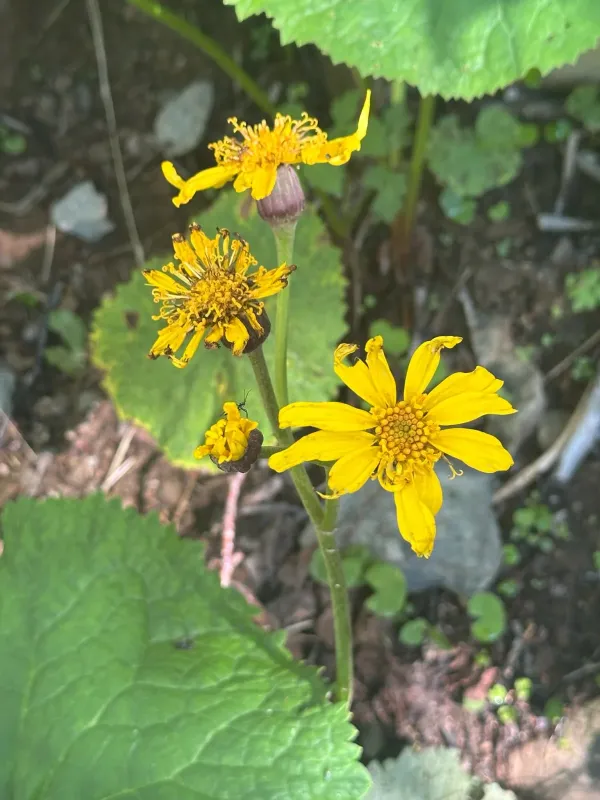
Ligularia dentata is a member of the Asteraceae family, native to the moist, forested regions of East Asia. It is a prized ornamental perennial, recognized for its large, heart-shaped, purplish-green leaves and vibrant clusters of yellow-orange flowers that rise on sturdy stalks.
The plant has very specific moisture requirements and thrives best in consistently damp, humus-rich soil. It is an ideal candidate for bog gardens, pond margins, or naturally wet areas of a landscape where other plants might struggle with root rot.
In terms of climate, Ligularia is quite hardy and performs well in temperate zones. While it tolerates winter cold well, it requires shelter from drying winds that can damage the foliage. A layer of organic mulch is recommended to retain soil moisture during the summer months.
Regular fertilization with compost or well-rotted manure during the growing season helps sustain the rapid growth of the large leaves. Inorganic fertilizers should be used sparingly, as excessive nutrients can sometimes lead to overly soft stems that require additional support.
The overall health of the plant depends on maintaining high humidity levels. In regions where summers are dry, providing supplemental irrigation is non-negotiable, as the plant acts as a natural barometer, wilting visibly when it experiences even minor water stress.
Main diseases and pests
Slugs and snails represent the most significant threat to Ligularia dentata, as they are attracted to the succulent, moisture-rich leaves. In damp, shaded gardens, these pests can skeletonize the foliage, significantly reducing the plant's ornamental impact.
Management strategies include physical barriers like copper tape or crushed eggshells, as well as the use of biological slug pellets. Regular monitoring during the evening hours, when these pests are most active, can help keep their populations under control.
Powdery mildew can affect the plant during periods of high humidity and poor air circulation. This fungal disease appears as a white, dusty coating on the leaf surfaces and can be treated with appropriate fungicides or by improving spacing between plants.
Root rot and crown rot can occur if the plant is grown in soil with poor drainage or if it is over-watered during the dormant winter period. Ensuring the planting site has a well-structured soil that allows excess water to escape is essential for long-term health.
Preventative maintenance includes clearing out old, decaying plant material from around the base. By keeping the site tidy, gardeners can reduce the harbor for pests and limit the spores that cause common fungal infections, ensuring a lush and healthy display.